 Save
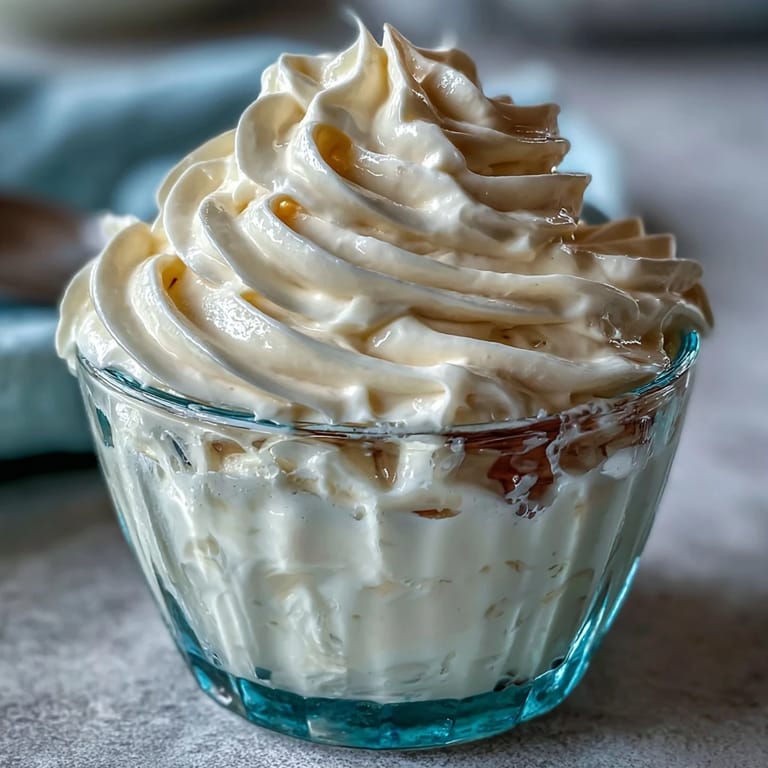
Save The first time I made mayonnaise at home was out of pure curiosity, after realizing I was out of the jarred kind and nowhere near a grocery store. As I hovered over the kitchen counter, the sound of the immersion blender whirring was oddly soothing. I watched the ingredients transform from liquid to a creamy spread right before my eyes, and it was honestly a little magical. No fancy tricks, just a handful of pantry staples and the confidence that comes with experimenting. The scent of Dijon and fresh lemon lingered in the air, making it hard not to taste it immediately.
I once made this mayonnaise for friends at a backyard get-together, after someone confessed they never liked store-bought versions. We ended up dipping fresh vegetables and chips into it, and even skeptics were reaching for seconds. There was laughter about how something so simple could taste so different. By the end of that day, the jar was scraped clean, and it felt like I'd unlocked a secret in plain sight.
Ingredients
- Egg (room temperature): Room temperature eggs ensure the mayonnaise emulsifies properly and doesn't break.
- Dijon mustard: Adds a gentle tang and subtle heat; use quality mustard for best flavor.
- White wine vinegar or lemon juice: Fresh lemon gives a brighter note but vinegar is classic; both help stabilize the mayo.
- Neutral oil: Sunflower or canola oil makes a mild, smooth mayo, but olive oil adds a robust personality if you're in the mood.
- Fine sea salt: A pinch lifts all the flavors—don't skip it.
- Freshly ground black pepper (optional): Try it if you like a hint of spice in your spread.
Tired of Takeout? 🥡
Get 10 meals you can make faster than delivery arrives. Seriously.
One email. No spam. Unsubscribe anytime.
Instructions
- Ready Your Vessel:
- Choose a tall, narrow container so the blender blades can grab all the ingredients easily. There's something satisfying about lining everything up before diving in.
- Add Your Essentials:
- Crack the egg and spoon in the mustard, splash in vinegar or lemon, sprinkle salt, and add black pepper if using—it'll smell sharp and inviting already.
- Layer On the Oil:
- Pour your oil gently on top, letting it sit like a cap on the other ingredients; it's the ticket to creaminess.
- Blend from the Bottom:
- Place the immersion blender all the way down, start it up, and watch as the color shifts to pale gold in seconds.
- Move and Emulsify:
- Lift the blender slowly, then pulse up and down to blend every bit—when it's thick and glossy, you're done.
- Adjust and Store:
- Taste the mayo and adjust seasoning to your liking, then transfer to a jar and refrigerate (it'll thicken as it chills).
 Save
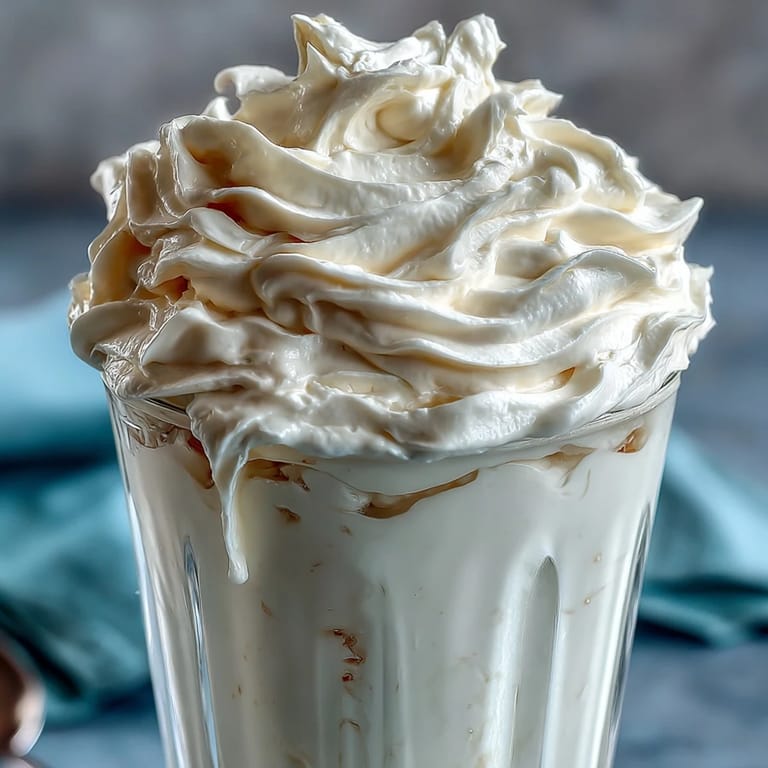
Save Last summer, after a marathon picnic, someone asked about the secret behind the mayonnaise and I realized it had become my most requested recipe. It wasn&apost just a condiment anymore—it was a reason for conversation, a shared laugh, and a kitchen triumph.
Storing and Shelf Life
I&apost found that homemade mayo stays freshest when kept in a tightly sealed jar in the fridge. You can expect it to stay smooth and tasty for up to a week—after that, I always make a fresh batch.
Flavor Variations
Sometimes I toss in a clove of garlic for a quick aioli, or a pinch of smoked paprika if I&apost feeling adventurous. Tinkering with vinegar types or citrus can turn the flavor profile in unexpected directions.
Troubleshooting in the Kitchen
Once, my mayo split and looked like a failed science experiment—it happens to the best of us. Starting with room temp ingredients avoids trouble, and if it does break, slowly whisk in another egg or a teaspoon of mustard and it usually comes back together.
- If your mayo is too runny, blend again with more mustard.
- Give it time to chill—it thickens in the fridge.
- Always use a clean spoon each time to keep it fresh.
 Save
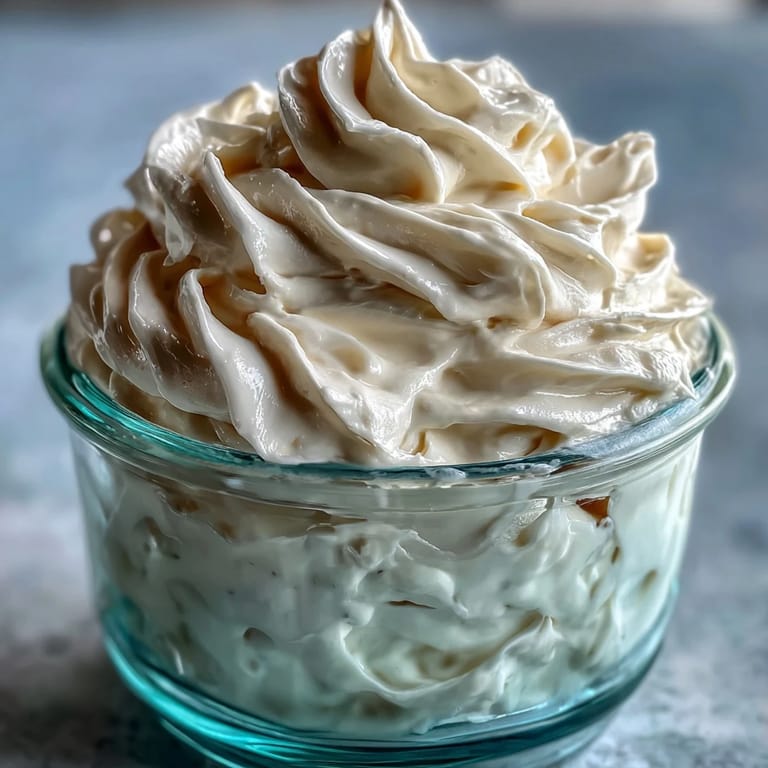
Save Homemade mayonnaise never fails to impress—whether you spread it or dip into it, it instantly elevates everything. Enjoy that moment of transformation in your own kitchen; it really is as easy as it sounds.
Recipe FAQs
- → How do I achieve a thick, creamy texture?
Use a tall container and blend from the bottom, slowly lifting the blender to incorporate oil fully and ensure proper emulsification.
- → Can I add extra flavors?
Yes! Mix in garlic for aioli or increase lemon juice for tanginess. Adjust salt and pepper to suit your preferences.
- → Are pasteurized eggs recommended?
If you're concerned about raw eggs, use pasteurized eggs for safety without compromising texture or taste.
- → How should I store the finished product?
Transfer to a clean jar, seal tightly, and refrigerate. Use within 1 week for best freshness and flavor.
- → Can I use different oils?
Neutral oils like sunflower, canola, or light olive oil are best. Stronger oils may affect the final taste.
- → Is the condiment suitable for gluten-free or vegetarian diets?
Yes, this spread is gluten-free and vegetarian. Ensure all ingredients meet dietary requirements.