 Save
Save My sister called me mid-afternoon last April asking if I could bring dessert to her garden party, and I had exactly two hours to figure it out. I remembered a bottle of limoncello sitting in my freezer from the previous winter, and something clicked—why not build an entire cake around that bright, almost magical flavor? The result was this pound cake, and honestly, it became the thing people asked about for months after.
That garden party turned into one of those moments where everyone circled back to the dessert table three times, and I watched my sister's friends actually pause mid-conversation to really taste it. One woman asked if I'd used some fancy bakery technique, and I realized the secret was just respecting the limoncello enough to let it sing without drowning it out with other flavors.
Ingredients
- All-purpose flour (2 1/2 cups): The foundation that holds everything together without competing with the citrus; sift it if you want an even lighter crumb.
- Unsalted butter (1 cup): Room temperature is non-negotiable here because cold butter won't cream properly and you'll lose the airy texture that makes this cake special.
- Granulated sugar (2 cups): Creaming this with butter for 3 to 4 minutes incorporates tiny air pockets that keep the cake tender, so don't rush this step.
- Large eggs (4): Room temperature eggs blend seamlessly into the batter and create structure; cold ones can break the emulsion.
- Limoncello liqueur (1/3 cup): This is the soul of the cake—use a decent quality bottle because the flavor really matters, and the alcohol bakes off leaving only the brightness.
- Fresh lemon juice (1/4 cup): Not bottled; fresh juice has an acidity that no shelf-stable version can match.
- Lemon zest (2 lemons): Use a microplane to get the bright yellow oils without the bitter white pith underneath.
- Whole milk (1/4 cup): Room temperature, because it helps the batter come together smoothly and prevents streaking.
- Baking powder (1/2 tsp): A gentle leavening agent that gives just enough lift without making the cake cake-y in that commercial way.
- Fine sea salt (1/2 tsp): Amplifies citrus flavor and balances sweetness so every bite tastes intentional.
- Vanilla extract (1 tsp): A whisper in the background that grounds the limoncello so it doesn't feel one-dimensional.
- Powdered sugar (1 cup): Sifted for the glaze so there are no lumps to spoil the smooth finish.
- Limoncello liqueur for glaze (1 tbsp optional): A choice that doubles down on flavor or keeps things more subtle, depending on your mood.
Tired of Takeout? 🥡
Get 10 meals you can make faster than delivery arrives. Seriously.
One email. No spam. Unsubscribe anytime.
Instructions
- Set up and prep:
- Preheat your oven to 350°F and grease your loaf or bundt pan generously with butter and a light flour dusting. Whisking the flour, baking powder, and salt together ahead of time prevents lumps from sneaking into your batter later.
- Cream butter and sugar:
- Beat them together for a full 3 to 4 minutes until the mixture looks pale and fluffy, almost like soft clouds—this is where the cake gets its tender crumb. Stop the mixer occasionally and scrape down the bowl so everything incorporates evenly.
- Add eggs one at a time:
- This patience matters because each egg needs a moment to emulsify into the butter and sugar before the next one arrives. You'll notice the mixture becoming silkier with each addition.
- Fold in the limoncello mixture:
- Add the limoncello, milk, lemon juice, zest, and vanilla and mix just until no white streaks remain. The batter should smell almost aggressively citrusy at this point.
- Gentle flour integration:
- Add the dry ingredients in two additions, mixing only until you see no flour streaks. Overmixing develops gluten and makes the cake dense, which is the one real mistake you can make here.
- Into the oven:
- Pour the batter into your prepared pan and smooth the top with a spatula. Bake for 50 to 60 minutes until a toothpick inserted in the center comes out clean or with just a few moist crumbs clinging to it.
- Cool with intention:
- Let the cake rest in the pan for 15 minutes so it sets enough to turn out without cracking, then move it to a wire rack to cool completely before glazing. Trying to glaze a warm cake is a lesson in frustration.
- Make the glaze:
- Whisk powdered sugar with fresh lemon juice and optional limoncello until you reach a pourable consistency that coats the back of a spoon. Taste it and adjust the tartness because this is your last chance to fine-tune the flavor.
- Finish with shine:
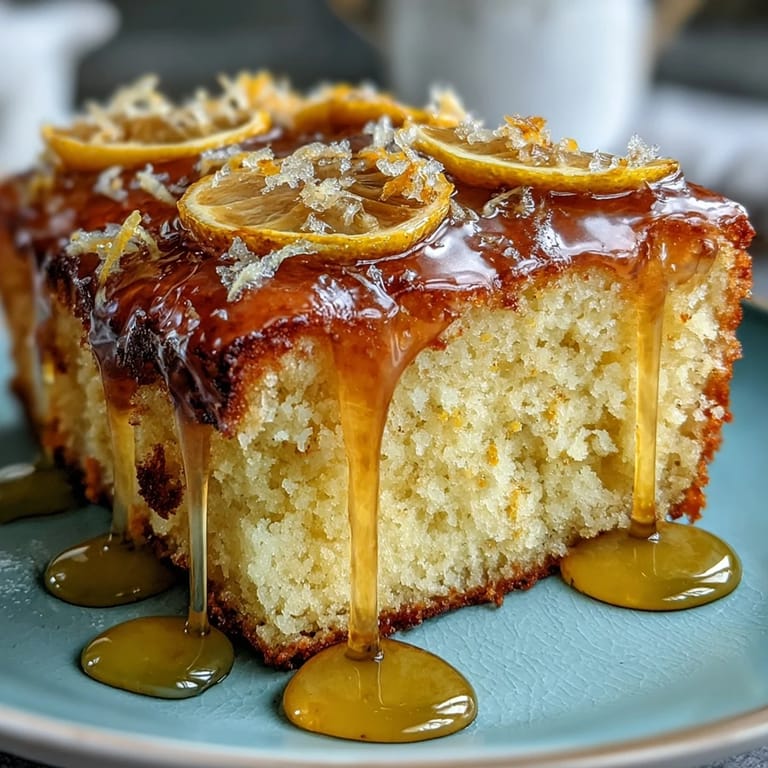
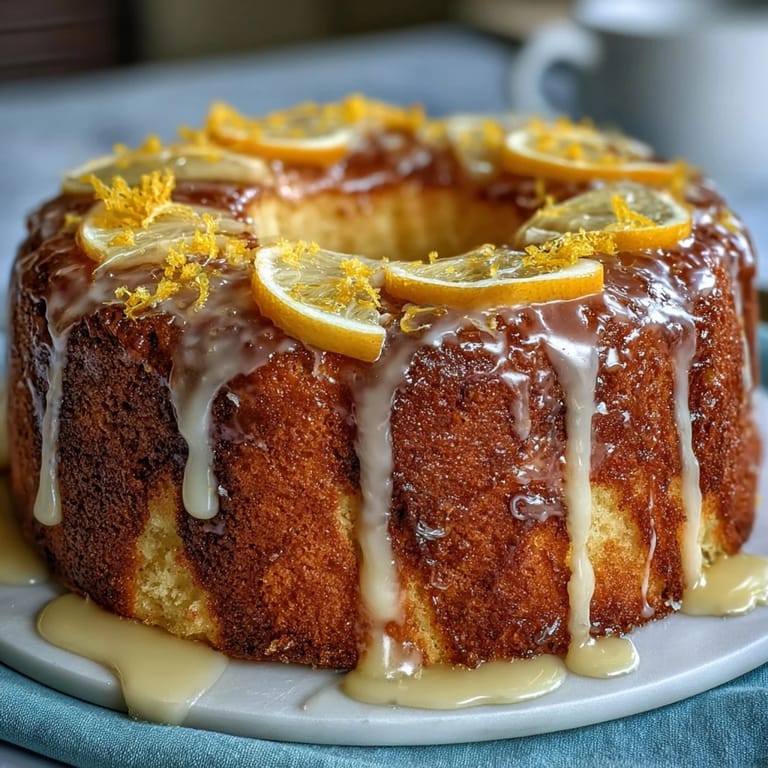
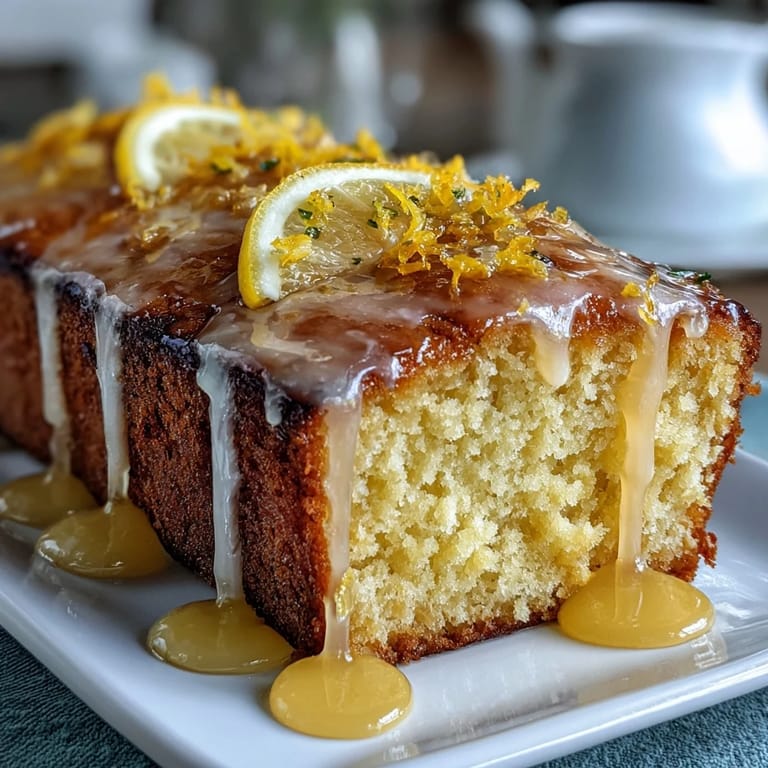
- Drizzle the glaze over the cooled cake and let it pool naturally into the crevices, then scatter lemon zest on top while it's still wet so it adheres. Let it set for 30 minutes before slicing so the glaze firms up to a delicate crust.
 Save
Save What surprised me most was how this cake became a conversation starter about the simplest things—how a single bottle of something Italian brought people together, how a homemade glaze feels like a small luxury. Baking it for others meant something shifted in my kitchen, where recipes stopped being just instructions and became tiny celebrations.
The Secret to Keeping It Moist
The combination of limoncello and fresh lemon juice creates an acidic environment that keeps the crumb tender for days, which is not something you get from a standard vanilla pound cake. I've left this cake wrapped on the counter for three days and it only got better, more compact, and somehow more flavorful as the citrus oils settled in.
When to Bake This and When to Serve It
Baking this cake a day ahead is actually ideal because the flavors meld overnight and the glaze has time to set into a proper shell. You can serve it at room temperature or chilled, and it pairs beautifully with tea in the afternoon or alongside dessert wine in the evening.
Variations and Twists to Try
Once you understand the structure of this cake, it becomes a playground for citrus creativity and personal preference. The formula is flexible enough that you can adapt it without losing what makes it special.
- Swap the limoncello for Cointreau or Grand Marnier and use orange zest for an elegant Mediterranean twist that's equally stunning.
- Brush the warm cake with an extra 2 tablespoons of limoncello before glazing if you're feeling bold and want an even more pronounced boozy flavor.
- Top the finished cake with candied lemon slices or fresh berries for color and texture that makes it feel like a showstopper dessert.
 Save
Save This cake has become my answer to the question of what to bring when I want to show up with something that tastes like care and effort without actually requiring either. Bake it once and you'll understand why it keeps getting requested.
Recipe FAQs
- → How does limoncello influence the flavor?
Limoncello adds a sweet, bright citrus depth, enhancing the lemon notes with a subtle alcoholic warmth that balances the cake’s sweetness.
- → Can I substitute the lemon glaze?
Yes, a simple dusting of powdered sugar or an orange glaze can be used for a different citrus twist.
- → What is the best pan for baking this cake?
A 9x5-inch loaf pan or bundt pan works well, ensuring even baking and a nicely shaped loaf.
- → How to prevent the cake top from browning too fast?
If browning occurs quickly, tent the cake loosely with foil after 40 minutes to shield the surface while baking finishes.
- → Is this suitable for vegetarians?
Yes, the cake contains no meat products, relying on eggs and dairy for moisture and structure.
- → Can I add extra limoncello after baking?
Brushing the baked cake with limoncello before glazing intensifies the flavor for those who desire a stronger liqueur presence.