 Save
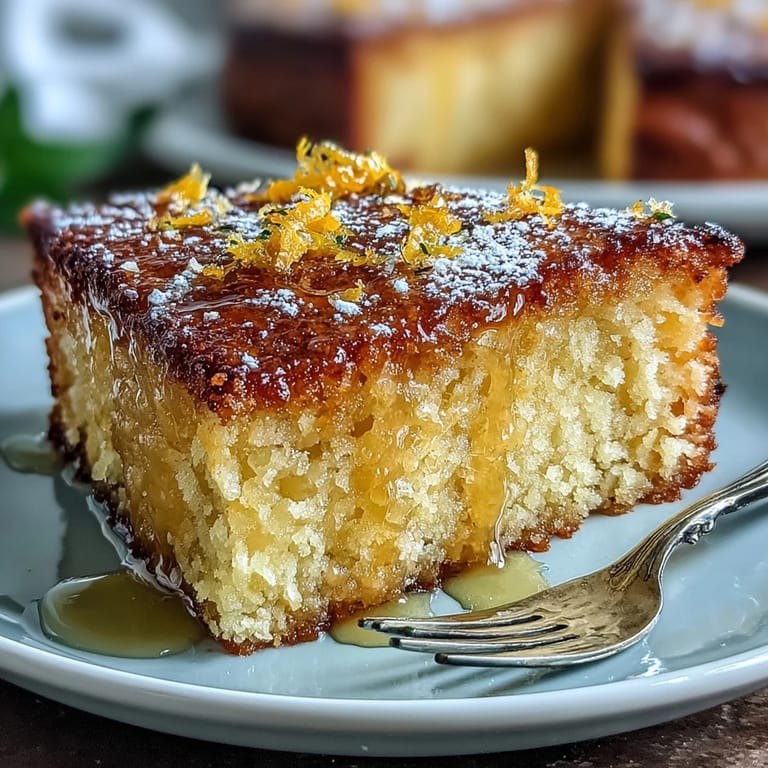
Save The first time I came across the idea of using a whole orange—yes, peel and all—in cake batter, I was intrigued and a tad skeptical. There was something thrilling about tossing an entire piece of fruit into the blender and letting the kitchen fill with a perfume far brighter than any bottled extract. The whole process felt a bit like breaking the rules, which instantly made it more fun. I remember the faint hum of the blender and the orange mist that lingered after, promising something unique. Sometimes it’s the simplest switches in routine that surprise you most.
I baked this cake for a last-minute Sunday get-together, and as soon as I lifted it from the oven, someone wandered in asking what in the world smelled so good. Passing slices around, it became clear the orange flavor was the subject of every other conversation at the table. Someone guessed there must be a secret sauce, and I couldn’t help but laugh as I described just throwing the whole fruit into the mix. For the rest of the afternoon, every bite was punctuated by little mmms and exactly how does it taste this fresh? questions.
Ingredients
- 1 large seedless orange (organic, washed and quartered, seeds removed if present): Buying organic here truly matters since the peel brings all the punch—give it a good scrub, and don’t worry if it looks rustic at first.
- 3 large eggs: They bind everything beautifully and give the cake that rich, tender crumb you notice with each forkful.
- 150 ml vegetable oil (e.g., sunflower or canola): Oil keeps the cake soft and moist for days—I found sunflower gives a slightly brighter finish.
- 1 tsp vanilla extract: Adds a mellow sweetness behind the orange, rounding off any sharp citrus edges.
- 250 g granulated sugar: Just enough to balance out the tanginess without overwhelming.
- 250 g all-purpose flour: Sift if you want a lighter crumb, but don’t stress if you skip it on a busy day.
- 2 tsp baking powder: This ensures that gorgeous rise—it’s unmistakable when you see the golden dome.
- 1/2 tsp salt: Salt really wakes up the orange and lifts every other flavor.
- Powdered sugar, for dusting (optional): A final flourish that makes each slice photogenic (and just a bit more special).
Tired of Takeout? 🥡
Get 10 meals you can make faster than delivery arrives. Seriously.
One email. No spam. Unsubscribe anytime.
Instructions
- Get the oven ready:
- Preheat your oven to 350°F (175°C), then grease and line a 9-inch cake pan with parchment—trust me, this saves headaches later.
- Blend the orange base:
- In a blender, toss in the whole washed orange (quartered, seeds plucked out), eggs, oil, and vanilla—blend until completely smooth, pausing to breathe in that fresh citrus cloud.
- Mix dry ingredients:
- In a big mixing bowl, whisk together sugar, flour, baking powder, and salt; you might feel tempted to taste the citrusy air wafting up.
- Bring it together:
- Pour the orange mixture over the dry blend, gently folding with a spatula just until no streaks of flour remain—it’s fine if a few tiny lumps linger.
- Fill and bake:
- Scrape the batter into your prepared pan, smoothing the top; slide it onto the middle rack and let it bake for 45-50 minutes, until golden and the kitchen smells impossibly good.
- Cooling moment:
- Let the cake cool in the pan for 10 minutes before flipping onto a rack; the warm steam carries a burst of orange you’ll want to bottle.
- Final finish:
- Once cool, dust with powdered sugar if you like—grab a sharp knife and try not to cut a slice before it’s fully set (I rarely succeed).
 Save
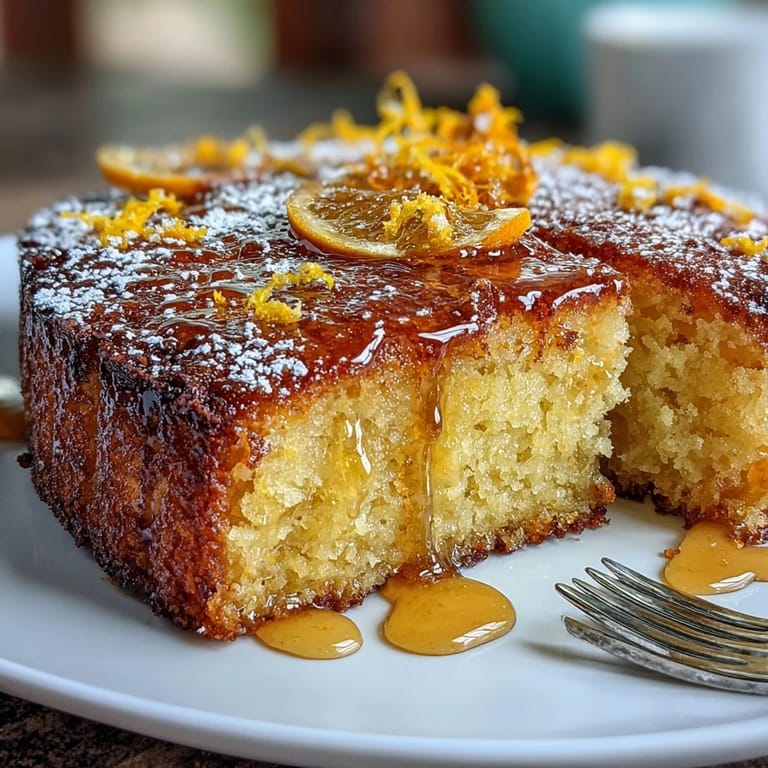
Save There was one rainy afternoon I brought this cake into work; the gloomy weather actually made its citrussy scent even more noticeable and inviting. My coworker, who claimed not to be a dessert person, ended up sneaking a second slice with a guilty grin. Baking it for others always reminds me how small shared moments can feel extra bright.
What Makes Using the Whole Orange so Special
When you blend the whole orange, it isn’t just about convenience—there’s a complexity to the flavor. The zest and pith give layers of aroma, almost a gentle bitterness that keeps the cake from ever tasting one-note sweet. It’s like capturing the essence of the fruit, not just its juice. Once you try it this way, you’ll notice the difference in every tender crumb.
Troubleshooting Common Cake Mistakes
If you ever find your cake comes out a bit dense or sunken, don’t worry—it happens to all of us. Usually, it’s the result of overmixing, or sometimes an oven that runs a little hot. I’ve learned to check for doneness by feel, gently tapping for that springy resilience even before the toothpick test. Small cracks on top are nothing to fear; in fact, they promise a beautifully moist interior.
Serving and Storing Suggestions
This cake is lovely at room temperature and even better after a day in an airtight container as the orange flavor deepens. Pair it with a spoonful of whipped cream or a scoop of ice cream to make a casual treat feel like dessert at a fancy bistro. If you serve it at brunch, thin slices look beautiful dusted with a little extra powdered sugar. Cut leftovers into cubes for a citrus trifle or freeze individual wedges for future cravings.
- If any bitterness lingers, spoon over a touch of honey when serving.
- Store tightly wrapped to keep it fresh and fragrant for several days.
- Make sure to share—everyone’s curious once they learn about the whole orange secret.
 Save
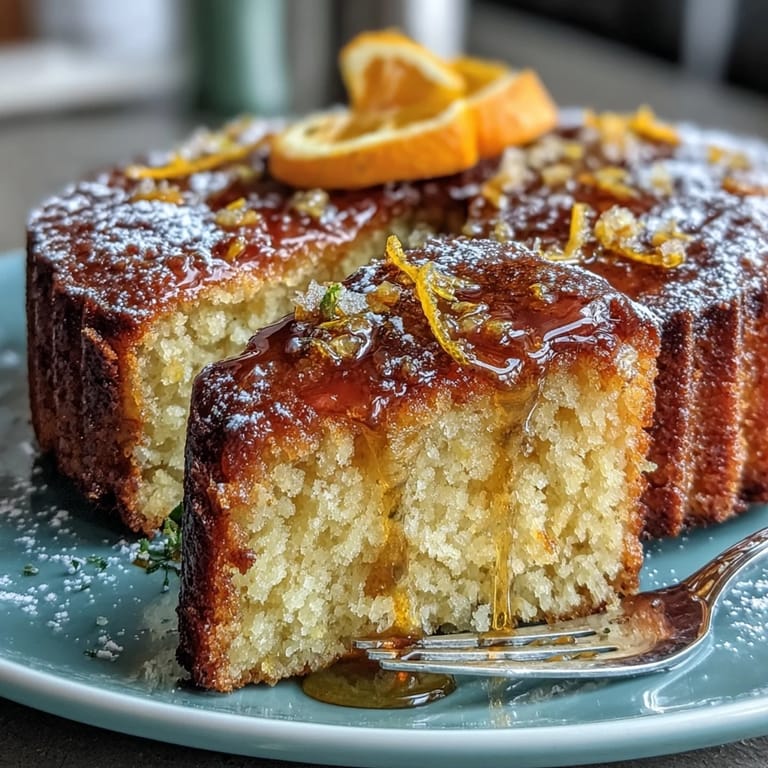
Save Baking this vibrant cake never fails to lift my mood and bring a little brightness to the table. I hope it does the same for you and your favorite people.
Recipe FAQs
- → Do I need to remove the orange peel before blending?
No—the method relies on the peel for bright, aromatic flavor. Use a well-washed, preferably organic orange and remove any seeds before blending to avoid bitter flecks.
- → What stops the cake from becoming too dense?
Fold the wet and dry ingredients just until combined to prevent gluten development. Avoid overmixing after adding the purée and measure flour by weight or spoon-and-level to keep the crumb light.
- → Can I substitute the oil or make it dairy-free?
The batter uses neutral vegetable oil, which keeps the texture moist—sunflower or canola work well. The cake itself is dairy-free; ensure any toppings or garnishes are plant-based to keep it that way.
- → How should I store and reheat leftovers?
Store cooled cake covered at room temperature for up to 3 days or refrigerated for up to 5. Reheat individual slices briefly in a low oven or microwave to restore warmth before serving with cream or ice cream.
- → Any easy flavor variations to try?
Add a tablespoon of orange liqueur or 1/2 teaspoon ground cardamom for warmth. A scatter of slivered almonds on top before baking or a light citrus glaze after cooling also complements the orange intensity.
- → Is a blender sufficient for texture?
Yes—a high-speed blender produces a smooth purée from the whole orange. Stop and scrape down the sides to ensure no large pieces remain for an even crumb.