 Save
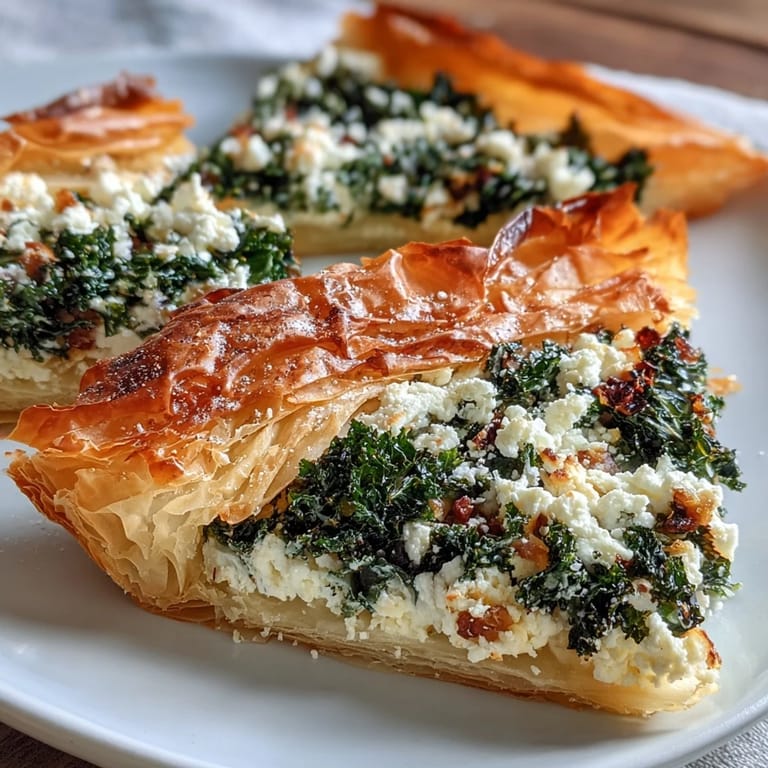
Save The smell of warm filo and melted cheese pulled my neighbor through the open kitchen window one Saturday afternoon. She knocked, half-laughing, asking if I was running a secret bakery. I wasn't, just testing a börek recipe I'd scribbled down after a market trip where a vendor insisted kale belonged in everything. That batch turned out crackly, golden, and oddly unforgettable.
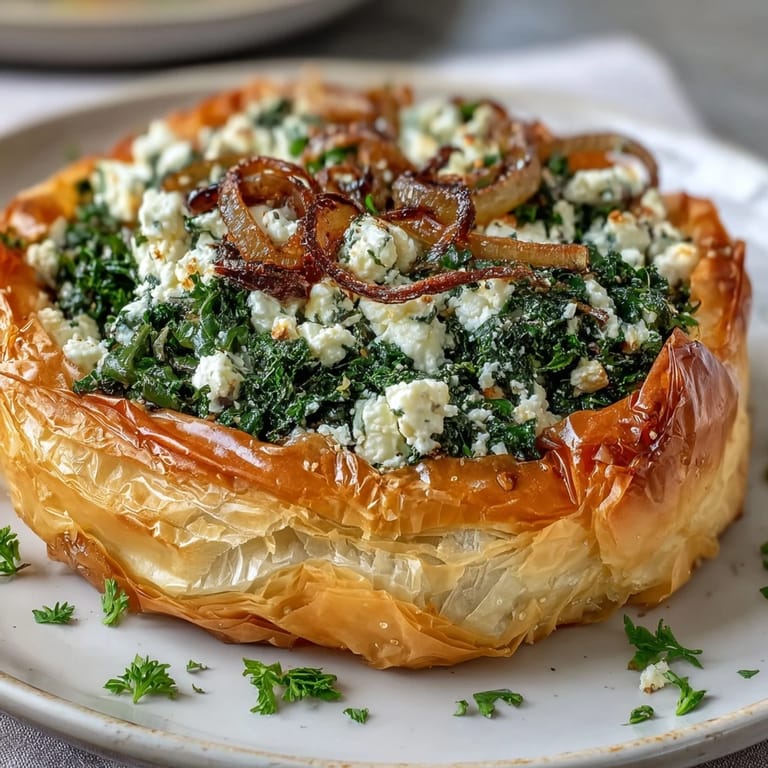
I made this for a small dinner party once, and someone asked if I'd trained in pastry. I laughed because I'd nearly torn three sheets before getting the hang of filo's tissue-thin temperament. But that crisp top layer, bronzed and gleaming, made everyone forget the clumsy moments. It became my go-to whenever I wanted to feel capable without pretending to be fancy.
Ingredients
- Fresh kale (250 g, stems removed, chopped): Choose younger leaves if you can, they wilt faster and taste sweeter, and always squeeze out extra moisture after cooking.
- Medium onion (1, finely chopped): This adds a mellow sweetness that softens the kale's bite, cook it low and slow until it nearly melts.
- Garlic (2 cloves, minced): Fresh garlic blooms in the pan and perfumes the filling, but don't let it brown or it turns bitter.
- Feta cheese (200 g, crumbled): The salty star of the filling, buy a block and crumble it yourself for creamier texture and brighter flavor.
- Ricotta cheese (100 g): This mellows the feta's sharpness and binds everything into a lush, spoonable mixture.
- Filo pastry (8 sheets): Keep it covered with a damp towel while you work or it dries out and cracks like old parchment.
- Large eggs (3): They add structure and richness, turning the filling into something that holds its shape when sliced.
- Whole milk (100 ml): A splash of milk keeps the custard tender and prevents the eggs from scrambling.
- Olive oil (50 ml plus extra for brushing): Brushing each filo layer creates those crisp, flaky sheets that shatter at the touch of a fork.
- Ground black pepper (1/2 tsp): A little heat wakes up the creamy filling without overwhelming the delicate greens.
- Nutmeg (1/4 tsp, optional): Just a whisper adds warmth and a mysterious depth people can't quite name.
- Fresh dill (1 tbsp, chopped, optional): Dill and feta are old friends, the herb's bright, grassy notes lift every bite.
- Sea salt (1/2 tsp, adjust to taste): Taste the filling before baking, feta varies in saltiness and you want balance, not brine.
Tired of Takeout? 🥡
Get 10 meals you can make faster than delivery arrives. Seriously.
One email. No spam. Unsubscribe anytime.
Instructions
- Preheat and Prep:
- Set your oven to 180°C (350°F) and lightly grease a 23 cm tart dish with olive oil. This keeps the bottom layer from sticking and gives the pastry a head start on crisping.
- Sauté the Aromatics:
- Heat a tablespoon of olive oil in a large skillet over medium heat, then cook the onion until it's soft and translucent, about 4 minutes. Add garlic and kale, stirring until the leaves wilt and shrink down, about 3 to 5 minutes, then remove from heat and let it cool.
- Make the Filling:
- In a large bowl, whisk together eggs, milk, and 50 ml olive oil until smooth. Fold in the feta, ricotta, black pepper, nutmeg, dill, and salt, then gently mix in the cooled kale mixture until everything's combined.
- Layer the Filo Base:
- Lay one sheet of filo in the prepared dish, letting the edges drape over the sides, then brush lightly with olive oil. Repeat with 3 more sheets, brushing each and rotating slightly so the overhang is even all around.
- Add the Filling:
- Spoon the kale and cheese mixture evenly over the filo base, spreading it gently to the edges. The filling should sit in a thick, even layer.
- Top and Seal:
- Cover with the remaining 4 filo sheets, brushing each with oil and tucking the edges down around the filling to seal the tart. If you like, score the top gently into slices so it's easier to cut later.
- Bake Until Golden:
- Slide the dish into the oven and bake for 30 to 35 minutes, until the pastry is crisp and deeply golden brown. The kitchen will smell like butter and herbs.
- Cool and Slice:
- Let the börek rest for 10 minutes before slicing, this helps the filling set and makes cleaner cuts. Serve warm or at room temperature.
 Save
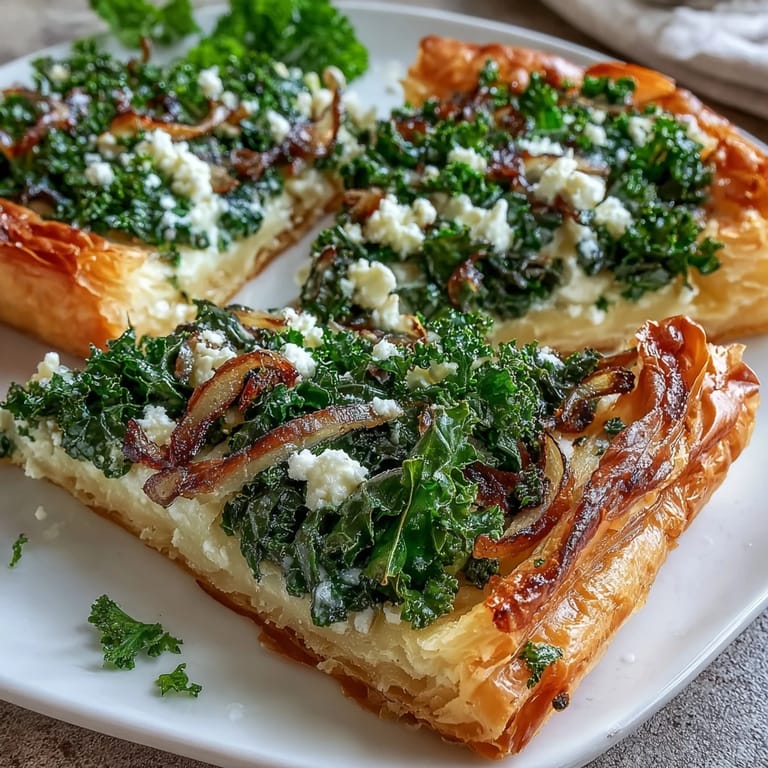
Save The first time I brought this to a potluck, someone asked for the recipe before they'd even finished their slice. I realized then that food doesn't need to be complicated to feel like a gift. The crisp pastry, the creamy filling, the way it tasted like care, that was enough.
Choosing Your Greens
Kale works beautifully here, but I've swapped in spinach when that's what I had on hand, and Swiss chard once when a friend brought a bundle from her garden. Spinach wilts faster and tastes milder, so you might want to add a pinch more pepper or a squeeze of lemon. Chard brings a slightly mineral, earthy note that pairs well with the nutmeg. Whatever green you choose, make sure it's dry before folding it into the eggs or the filling will weep.
Serving Suggestions
This börek shines alongside a simple arugula salad dressed with lemon and olive oil, the peppery greens cut through the richness. I've also served it with a dollop of thick yogurt mixed with fresh mint, which adds a cool, tangy contrast. A crisp white wine like Sauvignon Blanc or a dry rosé makes it feel like a proper occasion, but honestly, it's just as good with sparkling water and a wedge of lemon.
Storage and Reheating
Leftover börek keeps in the fridge for up to three days, wrapped tightly in foil or stored in an airtight container. To reheat, place slices on a baking sheet in a 160°C oven for about 10 minutes, this brings back the crispness without drying out the filling. Microwaving works in a pinch, but the pastry softens and loses its shatter. I've even eaten it cold, straight from the fridge, and it still tastes good, just different.
- For a spicy twist, add a pinch of red pepper flakes to the filling before baking.
- If you're making this ahead, assemble the börek completely and refrigerate unbaked for up to 24 hours, then bake fresh.
- Freeze individual slices wrapped in parchment and foil for up to a month, thaw in the fridge overnight and reheat in the oven.
 Save
Save Every time I pull this from the oven, I'm reminded that some recipes aren't just about feeding people, they're about making a moment feel special without trying too hard. That's what this börek does, quietly, deliciously, every single time.
Recipe FAQs
- → Can I substitute spinach for kale in this börek?
Yes, fresh spinach or Swiss chard work perfectly as alternatives. Use the same quantity and wilt them in the skillet until tender, ensuring excess moisture is drained before mixing with the cheese.
- → How do I prevent the filo pastry from drying out?
Keep unused filo sheets covered with a slightly damp kitchen towel while working. Brush each layer generously with olive oil to maintain moisture and achieve a golden, crispy finish.
- → Can I prepare this börek ahead of time?
Absolutely. Assemble the börek completely, cover tightly with plastic wrap, and refrigerate for up to 24 hours before baking. Add 5-10 minutes to the baking time if placing it directly from the refrigerator into the oven.
- → What wine pairs well with feta and kale börek?
A crisp, dry white wine such as Sauvignon Blanc or Pinot Grigio complements the savory feta and herbs beautifully. For a rosé option, try a dry Provençal style that balances the richness of the cheese.
- → How should I store leftover börek?
Store cooled leftovers in an airtight container in the refrigerator for up to 3 days. Reheat in a 160°C oven for 10-15 minutes to restore the pastry's crispness. Avoid microwaving, which makes the filo soggy.
- → Can I freeze this börek?
Yes, freeze the assembled, unbaked börek wrapped tightly in plastic wrap and foil for up to 2 months. Bake directly from frozen, adding 15-20 minutes to the cooking time, covering with foil if it browns too quickly.