 Save
Save My grandmother's kitchen always smelled like this soup simmering on the stove—a scent that somehow managed to be both simple and complex, earthy and bright all at once. One afternoon while she chopped vegetables with practiced speed, she told me that minestrone wasn't about following rules, it was about using what you had and making it sing. Years later, I understood she meant something deeper than just cooking: it was about turning humble ingredients into something that fed both body and soul.
I made this soup for my sister during a particularly rough winter, and I remember how she closed her eyes after that first spoonful and just sat there quietly. She didn't say much, but she came back for seconds and thirds, and that's when I realized some foods speak louder than words ever could.
Ingredients
- Olive oil: Two tablespoons is enough to coat the pot and let your vegetables release their flavors without making the soup feel heavy.
- Yellow onion, carrots, and celery: This is your aromatic base, the holy trinity that builds flavor from the very first sizzle in the pan.
- Garlic: Two cloves minced fine, because garlic has a way of making everything taste like home.
- Zucchini and potato: The potato adds substance and helps thicken the broth naturally, while zucchini keeps things light and fresh.
- Green beans: They add a slight earthiness and texture that reminds you this soup is made of real vegetables, not just broth.
- Diced tomatoes: A can of canned tomatoes works beautifully here, providing acidity and depth that fresh tomatoes sometimes can't match in a short cooking time.
- Cannellini beans: Drain and rinse them well so you're not adding starchy liquid that clouds the broth.
- Small pasta: Ditalini or elbow macaroni works best because they don't dominate the bowl, they mingle with the vegetables like they belong together.
- Vegetable broth: Six cups is your liquid foundation, and using good broth makes a noticeable difference in the final taste.
- Dried Italian herbs: A blend of oregano, basil, and thyme gives you that Mediterranean warmth without needing fresh herbs for every step.
- Bay leaf: One leaf simmers quietly in the background, adding a subtle sophistication that most people can't quite name.
- Baby spinach or kale: Added at the very end so it wilts gently and keeps its bright color and nutritional punch.
- Fresh parsley: This final garnish brightens everything and reminds your mouth that greens are living things, not just background players.
- Parmesan cheese: Optional, but if you add it, the nuttiness makes this soup feel intentional and finished.
Tired of Takeout? 🥡
Get 10 meals you can make faster than delivery arrives. Seriously.
One email. No spam. Unsubscribe anytime.
Instructions
- Start Your Flavor Foundation:
- Heat the olive oil in a large pot over medium heat, then add the diced onion, carrots, and celery. Let them soften for five minutes, listening for that gentle sizzle and watching for the onions to turn translucent—this is when you know the flavors are beginning to open up.
- Build the Next Layer:
- Stir in the minced garlic, diced zucchini, potato, and green beans, cooking for three minutes more. Your kitchen will start smelling incredible at this point, which is a good sign that everything is developing properly.
- Bring It All Together:
- Add the canned tomatoes, drained cannellini beans, vegetable broth, dried herbs, and bay leaf to the pot. Bring everything to a boil, which should take about five minutes, then reduce the heat and cover.
- Let It Simmer:
- Cover the pot and let it simmer gently for twenty minutes so the vegetables become tender and the flavors meld into something unified and warm. Resist the urge to rush this step—good soup requires patience.
- Add the Pasta:
- Stir in your small pasta and simmer uncovered for eight to ten minutes, stirring occasionally so the pasta doesn't clump. The soup will thicken slightly as the pasta releases its starches, creating a more substantial texture.
- Finish with Greens:
- Remove the bay leaf, then add the baby spinach or kale and let it wilt for two minutes. The greens will darken slightly and soften, becoming part of the soup rather than looking like an afterthought.
- Season and Taste:
- Add salt and freshly ground black pepper to taste, remembering that you can always add more but you can't take it away. Take a spoon and taste it honestly before you serve it.
- Serve with Love:
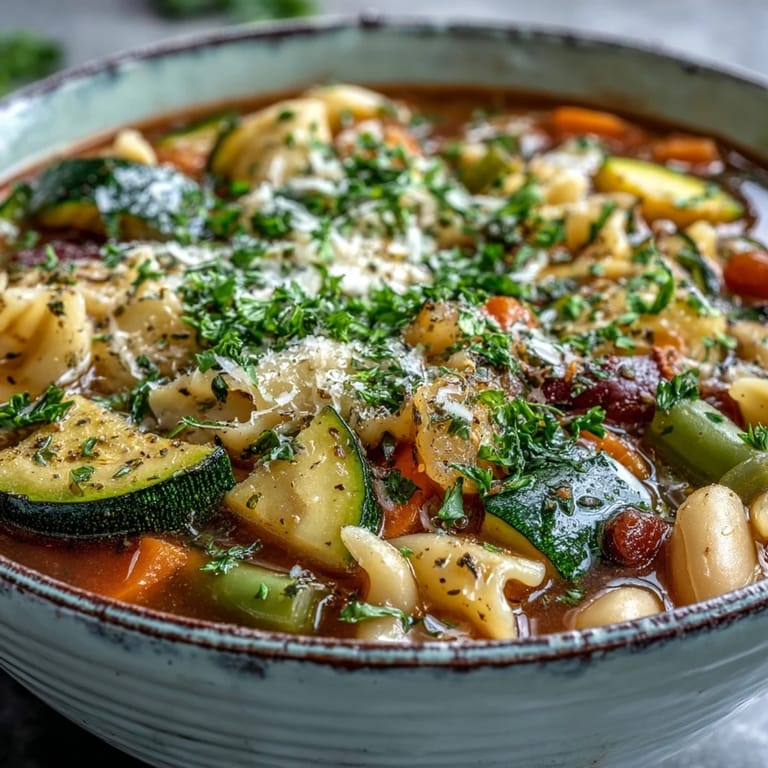
- Ladle the soup into bowls, top with fresh parsley, and add a generous shower of Parmesan cheese if you like. A good crusty bread on the side transforms this from soup into a complete experience.
 Save
Save I served this soup to neighbors during a heatwave, which sounds strange, but they came specifically because they needed something warm and honest that reminded them of their own kitchens. Food has this quiet power to dissolve the distance between people, and minestrone seems to understand that better than most dishes.
Variations That Work
The beauty of minestrone is that it meets you where you are, ingredient-wise. In spring, I'll add fresh peas and swap spinach for fresh basil, and it feels like a completely different soup. During late summer, when zucchini is everywhere and slightly overwhelming, I'll triple that amount and add diced eggplant for complexity, and the soup becomes something earthy and substantial that makes sense with the season.
Making It Your Own
My neighbor adds chickpeas instead of cannellini beans and swears it's better, and you know what, she's right because it's better for her soup. The recipe I've given you is a map, not a prison—follow it the first time to understand the rhythm, then start improvising with what you have.
Storage and Make-Ahead Magic
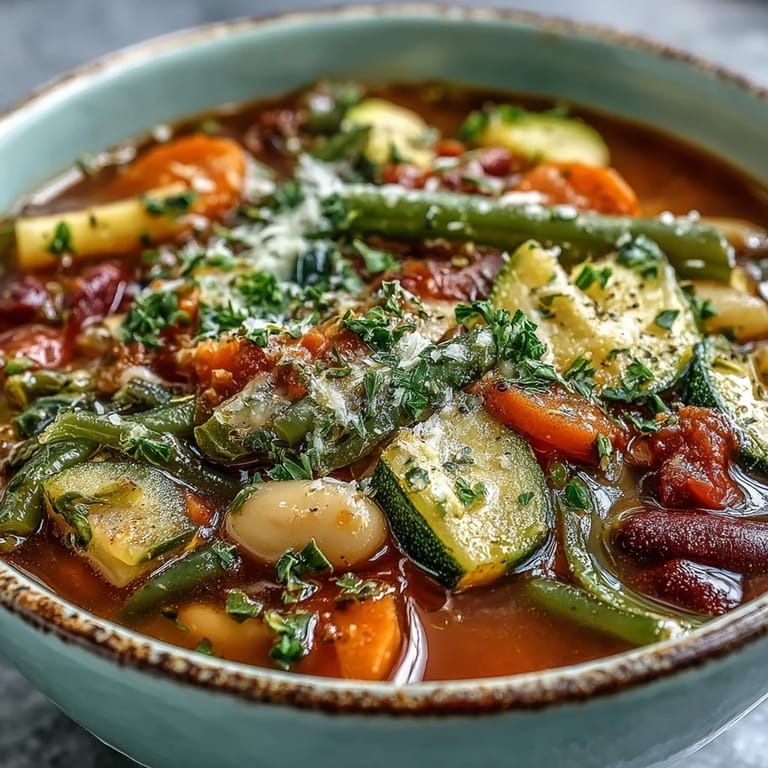
This soup improves with time, which means making a double batch on Sunday is one of the smartest cooking decisions you can make. It stores beautifully in the refrigerator for up to four days, and it freezes wonderfully if you store it without the pasta and add fresh pasta when you reheat it. When you're reheating, go low and slow so the vegetables don't lose their structure, and don't be surprised when your lunch tastes even better than it did the first night.
- Add fresh Parmesan and parsley every time you serve it, not just the first night, because these finishing touches matter more than you might think.
- If your soup seems thin after a day or two of storage, the pasta will have absorbed more broth—simply add a splash of fresh broth when reheating to get back to the original consistency.
- Keep the bay leaf out of the freezer container so it doesn't flavor the entire batch, and always taste before seasoning reheated soup since flavors concentrate as it sits.
 Save
Save There's something about minestrone that makes people slow down and breathe, and I think that's the whole point. Make this soup when you need comfort, or when you want to give comfort to someone else, and trust that something this simple could actually matter.
Recipe FAQs
- → What vegetables go in traditional minestrone?
Classic minestrone includes onions, carrots, celery, zucchini, potatoes, green beans, and tomatoes. Leafy greens like spinach or kale are added at the end. The beauty lies in using seasonal vegetables and what you have on hand.
- → What pasta works best in minestrone?
Small pasta shapes like ditalini, elbows, or small shells are ideal because they cook evenly and fit on a spoon with the vegetables. For gluten-free options, use rice-based small pasta or omit pasta entirely and add more beans.
- → How long does minestrone keep in the refrigerator?
Minestrone stores beautifully for 4-5 days in an airtight container. The flavors continue to develop and meld. If planning to store, slightly undercook the pasta as it will continue to absorb liquid and soften in the broth.
- → Can I freeze minestrone soup?
Yes, minestrone freezes well for up to 3 months. For best results, slightly undercook the pasta before freezing, or freeze the soup without pasta and add freshly cooked pasta when reheating. Cool completely before transferring to freezer-safe containers.
- → What can I serve with minestrone?
Crusty Italian bread or garlic bread is perfect for soaking up the flavorful broth. A simple green salad with balsamic vinaigrette complements the heartiness. For a complete Italian meal, pair with a glass of Chianti or Pinot Grigio.
- → How do I make minestrone more flavorful?
Sauté your vegetables slowly to build depth, add a Parmesan cheese rind while simmering for umami richness, and finish with fresh herbs and quality olive oil. Letting the soup rest for 15 minutes before serving also allows flavors to harmonize.