 Save
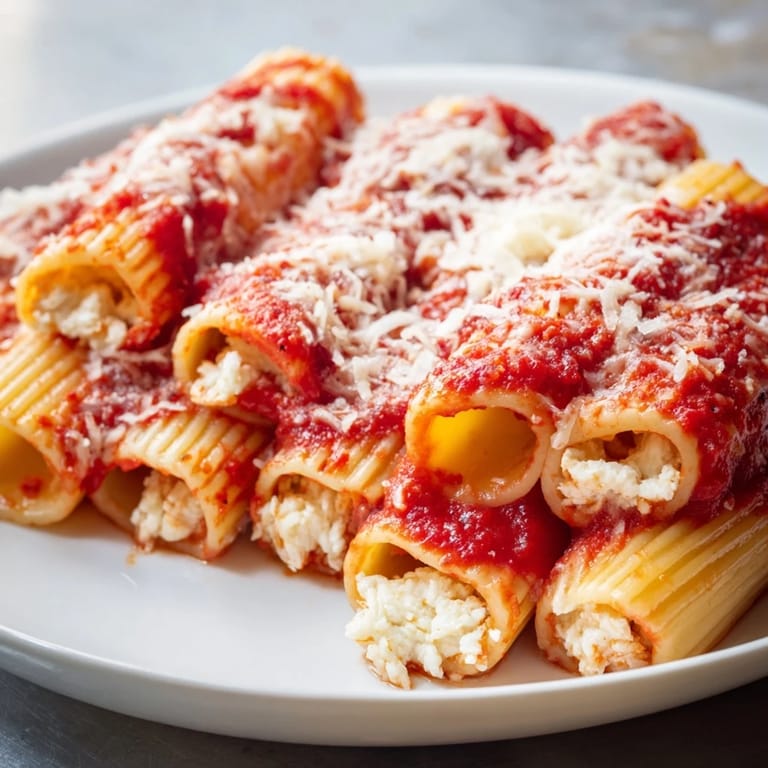
Save The first time I really understood the magic of standing pasta upright in a pan, it wasn't from a cookbook—it was watching my grandmother press rigatoni tubes into a baking dish like she was arranging little edible sculptures. She grinned and said the honeycomb pattern they made would trap all the sauce, and I realized she'd been thinking about this dish geometrically the whole time. Now when I make this honeycomb pasta bake, I'm transported back to her kitchen, the smell of ricotta and basil mixing with warm marinara, and that quiet satisfaction of filling each tube with creamy, herbaceous cheese until the pan became a beautiful, golden-baked masterpiece.
I made this for a dinner party on a rainy October evening when everyone was craving something warm and anchoring. One guest cut into it and watched the cheese stretch from her fork, and she actually closed her eyes for a second—that's the moment I knew this dish had earned its place in my regular rotation. There's something about food arranged so intentionally that makes people feel like they're being truly nourished, not just fed.
Ingredients
- Rigatoni, 500 g (1 lb): Look for a good quality pasta with ridges deep enough to hold filling—the tubes are the whole point here, and thinner pastas just won't have that satisfying bite.
- Ricotta cheese, 350 g (12 oz): Use fresh ricotta if you can find it; it has a silkier texture than the shelf-stable kind and makes a real difference in how luxurious the filling feels.
- Mozzarella, grated, 100 g (3.5 oz): This goes in the filling for stretch and richness, then you'll use another 150 g shredded on top for that golden, bubbly finish.
- Parmesan cheese, grated, 50 g (1.75 oz) plus 2 tbsp for topping: Don't skip the fresh grating—pre-grated Parmesan has anti-caking agents that can make the filling grainy.
- Egg, 1 large: This binds everything together and keeps the filling from being too loose when the pasta bakes.
- Fresh basil, 1 tbsp chopped: Tear it by hand at the last second if you can; it keeps the flavor brighter than pre-chopped.
- Fresh parsley, 1 tbsp chopped: A quiet herb that rounds out the filling without fighting with the basil.
- Salt and black pepper: Taste your filling before you pipe it—this is where seasoning gets noticed or forgotten.
- Marinara sauce, 700 ml (24 oz): A good jarred sauce works perfectly; there's no shame in using it, and it should taste like tomato and garlic, not sugar.
- Olive oil, 1 tbsp: Just enough to coat the pan and keep the pasta from sticking together as it cools.
Tired of Takeout? 🥡
Get 10 meals you can make faster than delivery arrives. Seriously.
One email. No spam. Unsubscribe anytime.
Instructions
- Heat and prep:
- Preheat your oven to 200°C (400°F) and grease a 23 cm springform pan or deep round baking dish generously with olive oil, then line the bottom with parchment so it releases cleanly. The parchment is crucial—this bake needs to come out looking as beautiful as it went in.
- Cook the pasta:
- Bring a large pot of salted water to a rolling boil and add the rigatoni, cooking it for 2 minutes less than the package says so it's still very al dente and firm enough to hold its shape and filling. Drain it carefully and toss with a little olive oil to keep the tubes from sticking together as they cool.
- Mix the filling:
- In a bowl, combine the ricotta, 100 g mozzarella, 50 g Parmesan, egg, basil, parsley, salt, and pepper, stirring until completely smooth and creamy with no lumps. Taste it and adjust the seasoning—this is your flavor foundation.
- Stand the tubes:
- Arrange the rigatoni upright in the prepared pan, packing them tightly so they fill the entire circle and support each other like little edible honeycomb cells. They should be close enough that they don't wobble but loose enough that you can still pipe filling into each one.
- Pipe the cheese:
- Spoon the filling into a piping bag or a zip-top bag with one corner snipped off, then pipe the mixture into each pasta tube until it's full and slightly overflowing at the top. Work quickly and methodically so the filling doesn't get warm.
- Add the sauce:
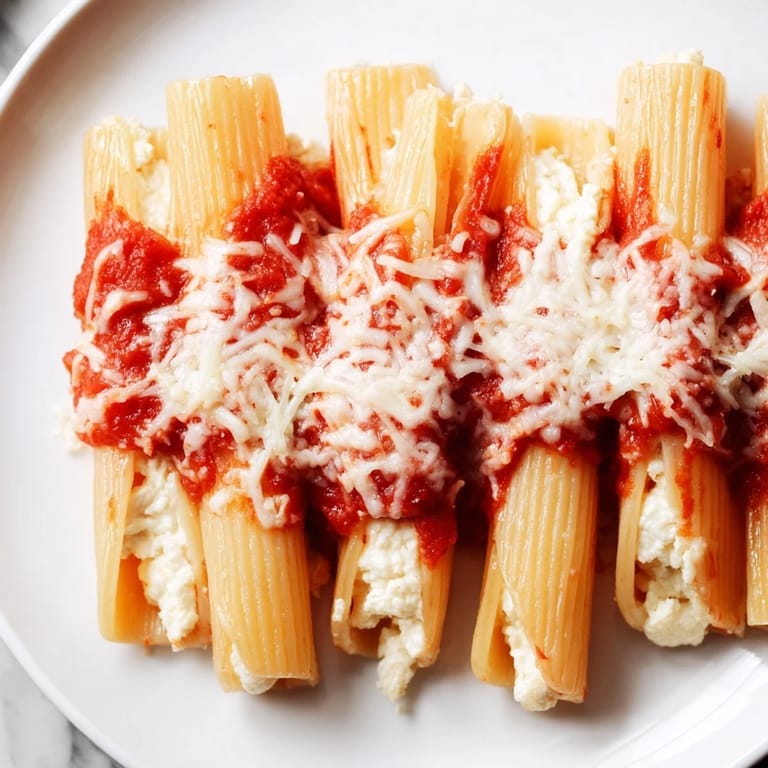
- Pour the marinara sauce evenly over the filled pasta, then give the pan a few gentle taps on the counter to help the sauce settle down between the tubes and coat the sides. You want the sauce distributed, not pooled.
- Top with cheese:
- Sprinkle the 150 g shredded mozzarella evenly over the top, then finish with the 2 tbsp Parmesan, letting these get the golden crust while the cheese filling inside stays creamy.
- Bake covered, then exposed:
- Cover the pan loosely with foil and bake for 25 minutes to let everything heat through and soften, then remove the foil and bake another 10 minutes until the cheese on top is bubbly and turning golden brown. You'll smell the moment it's done—that's when you know.
- Rest and release:
- Let the bake sit for 10 minutes so the pasta tubes set slightly and don't collapse when you unmold it. Then gently release the springform or invert onto a cutting board, slice like a cake, and serve while everything is still warm and the cheese is still stretchy.
 Save
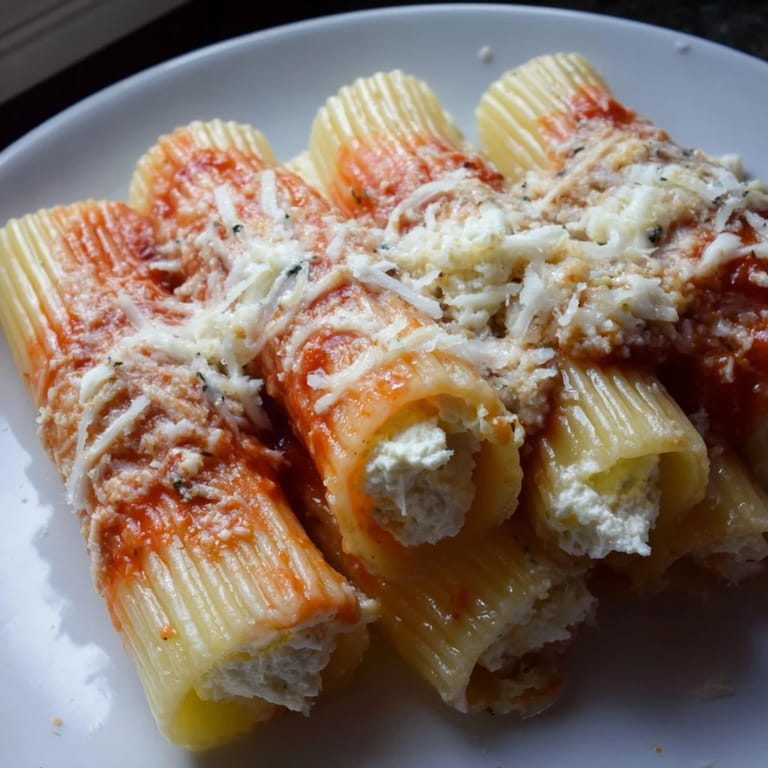
Save I learned something unexpected making this: that food doesn't have to be complicated to feel intentional. There's something almost meditative about filling those tubes one by one, and when you finally see the finished bake with its glossy golden top and those perfect tubes visible from above, it reminds you that patience and simple ingredients can create something genuinely memorable.
Why the Honeycomb Shape Matters
Standing the pasta upright isn't just for looks, though it's stunning on a table. When the tubes are vertical, the marinara sauce settles between them naturally, coating every interior surface while the top gets exposed to direct heat and turns golden. It's the difference between a layered pasta bake where some tubes are drowning in sauce and others are dry, and one where the sauce is distributed with actual intention. Every bite has cheese, sauce, and pasta in perfect proportion.
Making It Your Own
The filling is a canvas, and I've learned from experimenting that you can fold in sautéed spinach, cooked crumbled Italian sausage, roasted red peppers, or even crispy bacon without throwing off the balance. Just keep the cheese base the same and add your extra ingredient before piping. Some people swap ricotta for cottage cheese if that's what they have, and while the texture shifts slightly (it's a bit grainier), it still works beautifully.
- If you use spinach, squeeze it completely dry or the filling becomes watery and the pasta tubes won't hold it properly.
- Sausage should be cooked and cooled before mixing into the filling so you're not adding extra moisture and fat.
- Whatever you add, taste the filling again and adjust the salt—extra ingredients often bring their own seasoning with them.
What to Serve Alongside
This bake is rich and satisfying, so balance it with something bright and fresh. A simple green salad with lemon vinaigrette cuts through the cream and cheese without competing for attention. If you're reaching for wine, something like Chianti or even a lighter Barbera plays beautifully with the tomato and herbs. I've also served this with garlic bread and roasted vegetables, but honestly, the bake is the star—everything else should stay quiet.
 Save
Save This honeycomb pasta bake has become my favorite way to feed people who matter to me—it's generous, it's beautiful, and it tastes like genuine care. Make it once, and it'll probably become yours too.