 Save
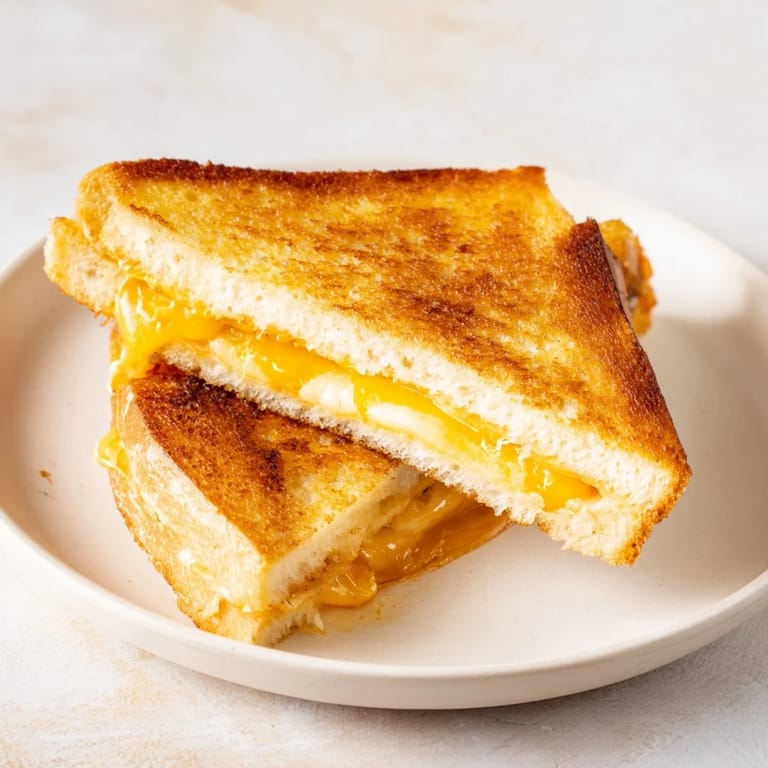
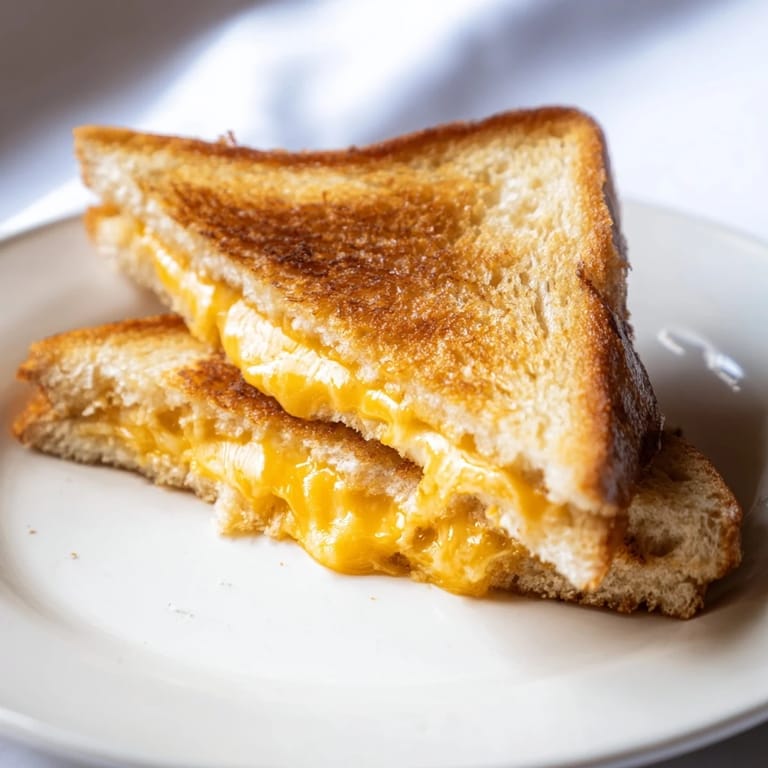
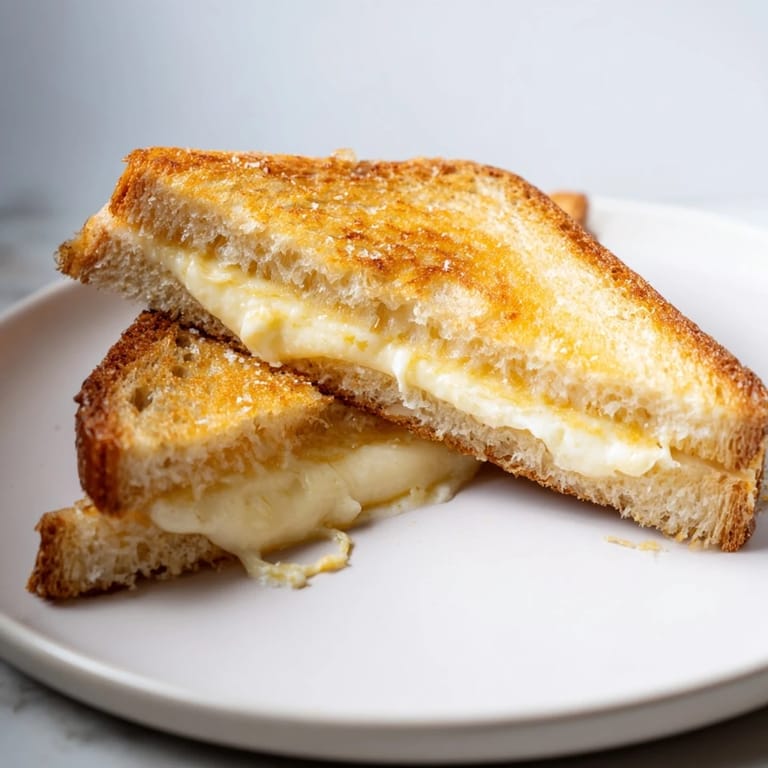
Save My friend Marcus texted me on a Tuesday afternoon asking for a quick lunch fix, and I casually mentioned the mayo trick—something my mom had whispered to me years ago like it was a kitchen secret nobody else knew. He sounded skeptical until I walked him through it over the phone, and twenty minutes later he sent back a photo of the most golden, impossibly crispy grilled cheese I'd ever seen from a phone screen. That's when I realized this wasn't just a sandwich; it was a tiny revelation that completely changes what a grilled cheese can be.
I made a batch of these one rainy Saturday when my sister was going through a rough week, and she sat at my kitchen counter eating one while telling me about everything that had gone wrong. By the second sandwich, she was laughing about the crunch, genuinely present in a way she hadn't been in days. That's when I understood that sometimes the best thing you can offer someone isn't elaborate or fancy—it's just warm, crispy, and made with the small rituals that say you care.
Ingredients
- Bread: White or sourdough both work beautifully, though sourdough gives you a tangier backdrop for the cheese and mayo to shine.
- Cheese: Cheddar is the classic choice, but Gruyère adds sophistication and Monterey Jack delivers a milder, creamier melt.
- Mayonnaise: This is the game-changer—use a good quality mayo because you're tasting it directly, and it's doing the heavy lifting on browning and flavor.
- Dijon mustard (optional): A thin layer adds a gentle sharpness that wakes up the whole sandwich without overpowering it.
Tired of Takeout? 🥡
Get 10 meals you can make faster than delivery arrives. Seriously.
One email. No spam. Unsubscribe anytime.
Instructions
- Gather and prep your stage:
- Lay your four bread slices out on a clean surface and have your cheese, mayo, and any optional additions within arm's reach. This takes thirty seconds and saves you from fumbling mid-assembly.
- Mayo on the outside:
- Spread a thin, even layer of mayonnaise on one side of each slice—you want coverage but not a thick slather. The mayo is what's going to kiss the pan and turn golden, so this step matters.
- Mustard optional layering:
- If you're using Dijon mustard, spread a delicate thin layer on the opposite side of two of your bread slices. This goes on the inside where it can whisper flavor without shouting.
- Cheese sandwich construction:
- Place two slices of cheese between two bread slices, mayo-sides facing outward toward where the pan heat will reach them. You're creating a protective envelope of mayo around your cheese.
- Pan temperature and placement:
- Heat your nonstick skillet over medium-low heat—this is not a high-heat situation. Once warm, place your sandwiches mayo-side down and you'll hear that gentle sizzle almost immediately.
- First golden side:
- Cook for three to four minutes without moving them around, resisting the urge to peek constantly. You're looking for that deep golden-brown color that happens when the mayo interacts with the heat.
- The flip and finish:
- Flip gently with your spatula and cook the other side for another three to four minutes, pressing down very lightly if the cheese seems reluctant to meld. The pressing matters but gentle pressure is everything—you want cheese melted, not squeezed out.
- Rest and serve:
- Slide onto a plate and let rest for just one minute so the cheese fully sets. Slice diagonally if you want to be proper about it, and serve while the warmth is still radiating from the bread.
 Save
Save I brought these to a neighborhood potluck once, thinking they'd be overshadowed by the fancier dishes, and they were gone within minutes. Watching people take that first bite and pause—that split second of surprise when they realized how good something so simple could be—that's a memory I hold onto.
Why Mayo Changes Everything
Butter is what everyone reaches for instinctively, and it's fine, but mayo contains eggs and oil in an emulsion that browns and crisps in a completely different way. The emulsion means better heat transfer and a more sustained golden color, plus the flavor adds this subtle richness that lingers. Once you understand this, you'll start seeing mayo as a cooking ingredient rather than just a sandwich spread.
Cheese Matters More Than You Think
The cheese you choose determines whether this is a simple comfort sandwich or something with actual depth and character. Cheddar is reliable and familiar, but don't be afraid to mix it up based on your mood—sharp aged cheddar if you want boldness, Gruyère if you want something almost fancy, or even a combination of two cheeses for complexity. I've made batches with different cheeses and each one tells a slightly different story on the palate.
Timing and Temperature Secrets
The biggest mistake people make is cooking too hot or too fast, trying to hurry the process when actually the magic happens in those three to four minutes of gentle, patient heat. The sandwich wants time to develop that crust and for the cheese to melt all the way through instead of just on the surface. If you rush this, you get a cold center with a burnt outside, and that's a betrayal of the whole point.
- A nonstick skillet is genuinely worth using here because the mayo won't stick and cleanup is genuinely thirty seconds.
- If you don't have nonstick, use a regular skillet but butter it lightly first so the mayo has something to grip.
- Let the pan warm for two full minutes before you add the sandwich—this seems small but it makes the difference between mediocre browning and that crackling crust.
 Save
Save There's something deeply satisfying about making something so uncomplicated that tastes this good—it reminds you that sometimes the best cooking isn't about complexity. These sandwiches have fed me through lazy afternoons, quick lunches, and moments when I needed to feed someone I cared about quickly and well.
Recipe FAQs
- → Why use mayonnaise instead of butter?
Mayonnaise helps achieve a crisp, evenly browned crust without burning, and adds a creamy richness to the sandwich exterior.
- → What types of cheese work best?
Cheddar is classic, but melting cheeses like Monterey Jack, Gruyère, or mozzarella also create a smooth, gooey interior.
- → Can I add extra flavors?
Yes, ingredients like Dijon mustard, sliced tomatoes, caramelized onions, or crispy bacon complement the sandwich well.
- → What bread is recommended?
White or sourdough breads provide a sturdy base that crisps nicely when cooked in mayonnaise.
- → How do I prevent the bread from burning?
Cook over medium-low heat and press gently with a spatula to ensure even browning without burning.