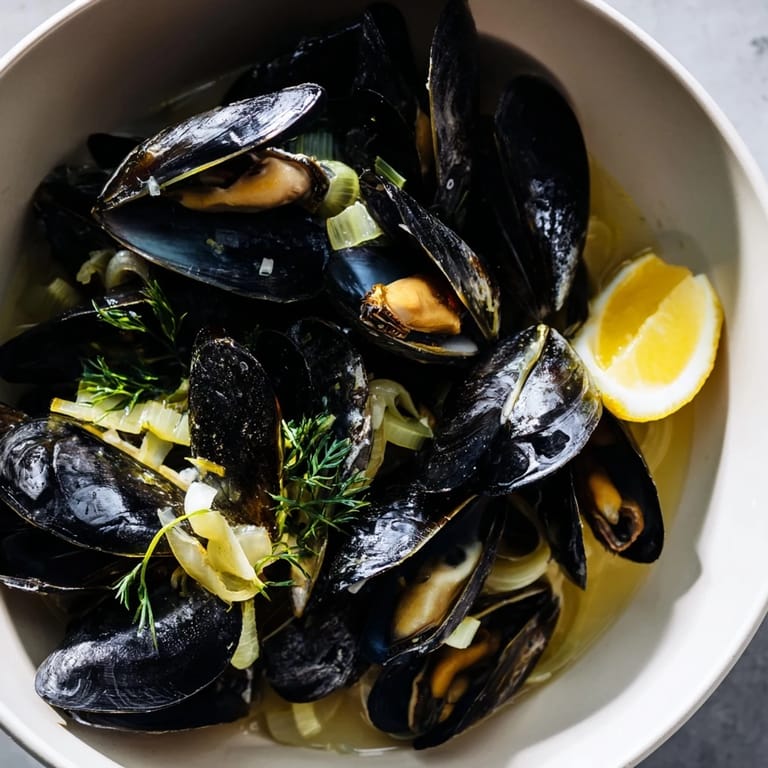
 Save
Save The first time I truly understood Belgian cuisine was standing in a small Brussels kitchen on a cold October evening, watching a friend's grandmother add mussels to a pot of fragrant wine and aromatics without even glancing at a recipe. The kitchen filled with steam and the smell of garlic, thyme, and the sea—something about it felt both simple and sacred. That night, I learned that moules marinière isn't fancy or complicated; it's just mussels and wine having a conversation, and if you listen to the sizzle and the steam, they'll tell you when they're ready.
Years later, I made this for a dinner party in my first apartment, and halfway through cooking, I realized I'd forgotten to buy bread—the real tragedy of moules marinière. A guest opened his backpack and pulled out a baguette he'd grabbed from the bakery on the way over, and somehow that made the meal even better. We sat around my tiny table, dipping and slurping, laughing at the broth running down our chins, and I understood why this dish has been a Belgian staple for generations.
Ingredients
- Fresh live mussels (2 kg): Buy them the day you cook, or the day before at most; look for ones that feel heavy (full of liquid) and tightly closed, and don't be shy about tapping any that seem loose—they should snap shut immediately.
- Dry white wine (300 ml): Choose something you'd actually drink; cheap wine makes thin broth, and the acidity matters more than the price tag.
- Shallots (2 medium): They're milder and sweeter than regular onions, which is why they're the backbone here—they melt into the broth and make it taste like comfort.
- Garlic (2 cloves): Mince it fine so it dissolves into the aromatic base rather than leaving tough little pieces.
- Leek and celery: These aren't just filler; they add a gentle sweetness and body to the broth that makes it round and complete.
- Fresh thyme and bay leaf: Don't skip these or use dried herbs—fresh herbs are what separate this from tasting generic, and they perfume the steam beautifully.
- Flat-leaf parsley: Stir it in at the very end so it stays bright green and alive, not tired and gray.
- Olive oil (2 tbsp): Good olive oil, not the cheapest bottle; you'll taste it in the aromatic base.
- Black pepper and sea salt: Taste as you go; mussels are naturally salty, so you might not need more than a crack of pepper.
- Lemon wedges: Essential—they cut through the richness and make each bite taste fresh again.
Tired of Takeout? 🥡
Get 10 meals you can make faster than delivery arrives. Seriously.
One email. No spam. Unsubscribe anytime.
Instructions
- Check your mussels like you're looking for trouble:
- Rinse them under cold water while scrubbing gently with your fingers, and pull off any wispy beards hanging from the shells. Tap any open ones with the back of a knife; if they don't flinch and close, they're dead and need to go straight in the bin.
- Build your flavor base slowly:
- Heat olive oil in a large pot over medium heat, then add your shallots, garlic, leek, and celery. Let them soften for 3 to 4 minutes—you want them golden and fragrant, not brown and bitter, so keep the heat honest.
- Introduce the herbs and wine:
- Stir in the thyme and bay leaf, then pour in the white wine. Bring it to a gentle simmer and let it bubble quietly for a minute so the wine loses its raw edge.
- Add the mussels and steam with confidence:
- Dump in all the cleaned mussels, give the pot a stir so they're nestled in the broth, cover with a tight-fitting lid, and turn the heat up to high. After about 5 to 7 minutes, you'll hear them opening and the steam will smell absolutely incredible.
- Shake and listen:
- Every minute or so, grab the pot by the handles (carefully!) and give it a gentle shake so the mussels on the bottom cook evenly. When most of them have popped open, you're done.
- Finish with parsley and taste:
- Remove the pot from heat, stir in the chopped parsley so it stays vibrant, crack some black pepper over everything, and taste the broth. Add a pinch of sea salt only if it needs it—you'll be surprised how salty it already is.
- Serve in deep bowls with ceremony:
- Ladle the mussels and broth into bowls so there's plenty of liquid, and set out lemon wedges, crusty bread, and maybe some Belgian fries on the side. This is finger food and spoon food and bread food all at once.
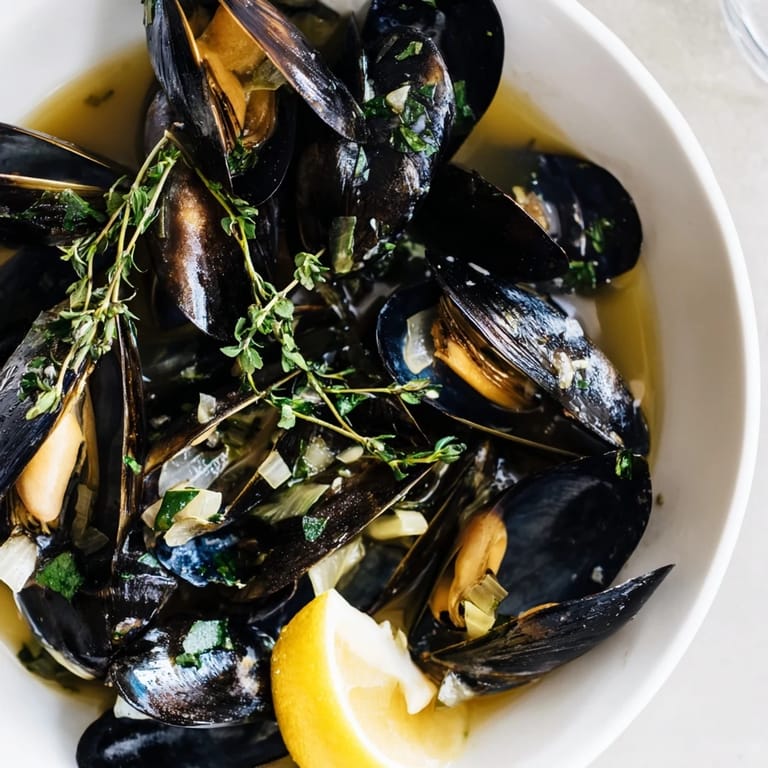 Save
Save I remember my friend's grandmother standing at the stove, not worried, not rushing—just watching the pot rise and fall with steam, waiting for the moment when the smell changed from sharp wine to something oceanic and alive. That's when you know the mussels are almost done. She never set a timer; she cooked with her nose and ears, and now when I make this, I do the same.
Why This Dish Matters
Moules marinière is one of those dishes that proves simplicity isn't lazy—it's focused. You're not hiding behind cream or complexity; you're just respecting three main ingredients (mussels, wine, aromatics) and letting them shine. There's no secret technique, no fancy equipment, just timing and attention. It's the kind of cooking that makes you feel capable.
The Bread Question
Crusty bread is non-negotiable here. The broth is too good to waste, and bread is your tool for getting every last drop. I've used baguettes, sourdough, focaccia, and even ciabatta—whatever was in the house worked fine. But there's something about a fresh baguette, still warm, that feels like the only right choice. Tear it into chunks and soak them unapologetically.
Making It Your Own
Once you understand the basic structure—aromatics, wine, mussels, steam—you can play. Some cooks add a splash of pastis or Pernod for anise flavor. Others finish with a knob of cold butter stirred into the hot broth at the very end, which sounds decadent and actually is. You could add a pinch of saffron if you wanted something special, or a touch of fresh dill instead of parsley. The point is to stay true to the fundamentals but feel free to tweak the details.
- Leftover broth freezes beautifully and becomes an incredible base for seafood pasta or risotto.
- If you can't find fresh mussels, frozen ones work in a pinch, though they tend to be smaller and less briny.
- Serve this with Belgian fries and mayonnaise if you're feeling authentic—or just crusty bread and wine if you're feeling honest.
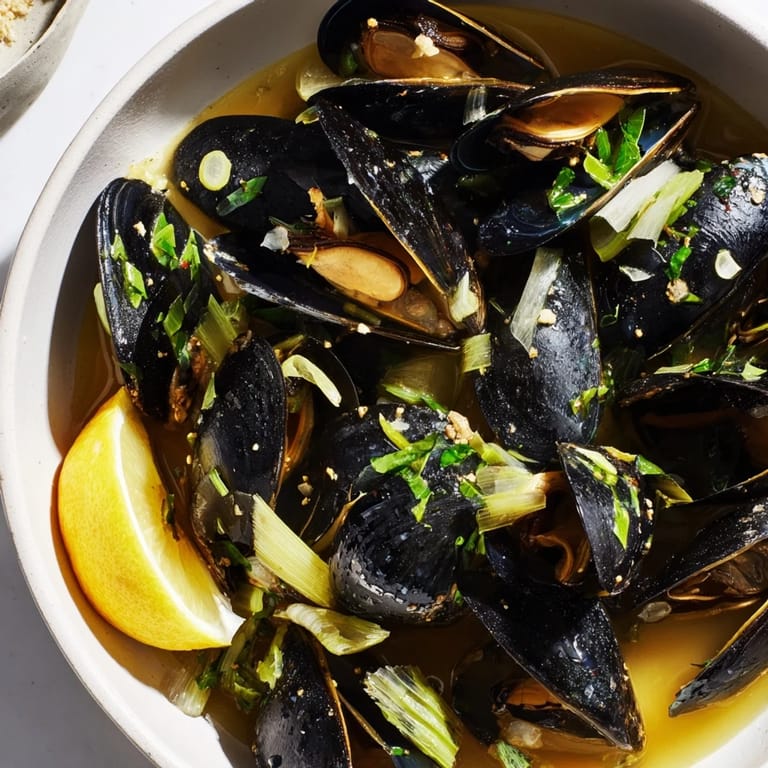 Save
Save There's something about eating mussels that makes you slow down, makes you present. You can't rush them; you can't eat them while checking your phone. That's why this dish has lasted five centuries in Belgium and why it'll last in your kitchen too.
Recipe FAQs
- → How do I clean the mussels before cooking?
Rinse mussels under cold running water, scrub the shells to remove debris, and debeard each mussel by pulling out the fibrous threads. Discard any broken or unopened mussels after tapping.
- → What wine works best for steaming mussels?
Dry white wines like Sauvignon Blanc or Pinot Grigio enhance the flavor without overpowering, providing a crisp, aromatic base for the broth.
- → Can I substitute fresh herbs in this dish?
Yes, thyme and bay leaf provide classic aroma, but you can use parsley or tarragon as alternatives to complement the mussels.
- → How do I know when the mussels are done?
Cooking takes 5–7 minutes; mussels are ready when their shells open wide. Discard any mussels that remain closed after cooking.
- → What sides complement this mussel preparation?
Traditional options include crusty bread to soak the broth or Belgian fries paired with mayonnaise for a classic combination.