 Save
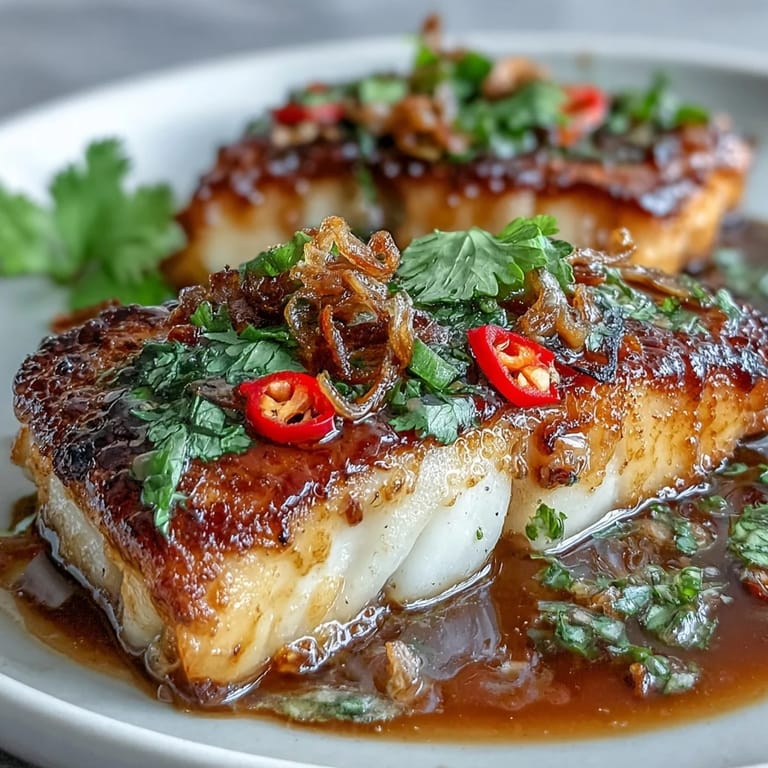
Save There's a particular moment when you're cooking fish on a hot skillet—that exact second when the flesh turns from translucent to opaque—that feels almost like magic. I discovered this dish on a Tuesday evening when I had fresh cod in the fridge and limes sitting in a bowl, and something about the bright acidity in Thai cooking suddenly clicked for me as the perfect finish. The combination of heat, citrus, and that whisper of umami from fish sauce transformed what could have been a simple weeknight dinner into something I found myself making again and again.
I made this for my neighbor one spring when she mentioned offhandedly that she'd been craving something fresh after weeks of heavy cooking. Watching her face when she tasted that first bite—how the cilantro and lime hit first, then the gentle building warmth of the chilli—reminded me why I love cooking foods that communicate clearly. She asked for the recipe before she'd even finished her plate, and I remember thinking that's when you know something's actually good.
Ingredients
- Skinless white fish fillets: Cod, snapper, or tilapia work beautifully here because their mild, flaky texture doesn't compete with the bold sauce—I learned this the hard way by once using salmon and overwhelming the delicate balance.
- Salt and black pepper: These quiet foundations matter more than you'd think; they season the fish itself so the sauce becomes an accent rather than a mask.
- Rice flour or cornstarch: Optional but worth it for a subtle golden crust that catches the sauce beautifully without toughening the fish.
- Vegetable oil: High heat means you need a neutral oil that won't smoke or impart flavor; keep it hot enough that the fish sizzles immediately when it hits the pan.
- Fresh lime juice: Bottled won't work here—fresh juice is brighter and carries the entire character of the dish.
- Fish sauce: Yes, it smells funky in the bottle, but once cooked it becomes savory depth that makes people ask what's in the sauce.
- Soy sauce: Adds umami and saltiness; use gluten-free if that matters to you.
- Honey or palm sugar: This balances the acidity and heat with subtle sweetness that feels almost imperceptible but absolutely crucial.
- Garlic and fresh ginger: Minced fine so they distribute evenly and cook into the sauce rather than sitting as obvious pieces.
- Red bird's eye chillies: These are hotter than jalapeños, so adjust fearlessly based on your actual tolerance, not your pride.
- Fresh cilantro: The final flourish that brightens everything and makes the dish feel alive.
- Crispy fried shallots: Store-bought works, but homemade stays crispier longer if you're not serving immediately.
Tired of Takeout? 🥡
Get 10 meals you can make faster than delivery arrives. Seriously.
One email. No spam. Unsubscribe anytime.
Instructions
- Prepare and season your fish:
- Pat each fillet completely dry with paper towels—moisture is the enemy of a golden sear. Season both sides with salt and pepper, then dust lightly with rice flour if you're going that route, shaking off any excess.
- Sear with confidence:
- Get your oil shimmering hot over medium-high heat, then add the fish gently and don't fuss with it. Let it sit undisturbed for 3 to 4 minutes until the underside turns golden, then flip once and cook the other side. You're listening for that gentle sizzle; if it goes silent, your heat's too low.
- Make the sauce:
- While the fish rests, whisk together lime juice, fish sauce, soy sauce, honey, minced garlic, sliced chillies, and ginger in a small bowl. This is your moment to taste and adjust—if it's too salty, add lime; too hot, add a touch more honey.
- Bloom the flavors:
- Pour the sauce into the same skillet you used for fish and let it bubble for about a minute, stirring occasionally so the garlic and ginger release their essence into the liquid. You'll smell the shift happen—from raw to cooked, from ingredients to sauce.
- Finish and serve:
- Spoon the hot sauce directly over each fillet, then scatter cilantro and crispy shallots on top while everything is still warm. The shallots will stay crispier this way, and the heat will gentle the cilantro slightly without wilting it completely.
 Save
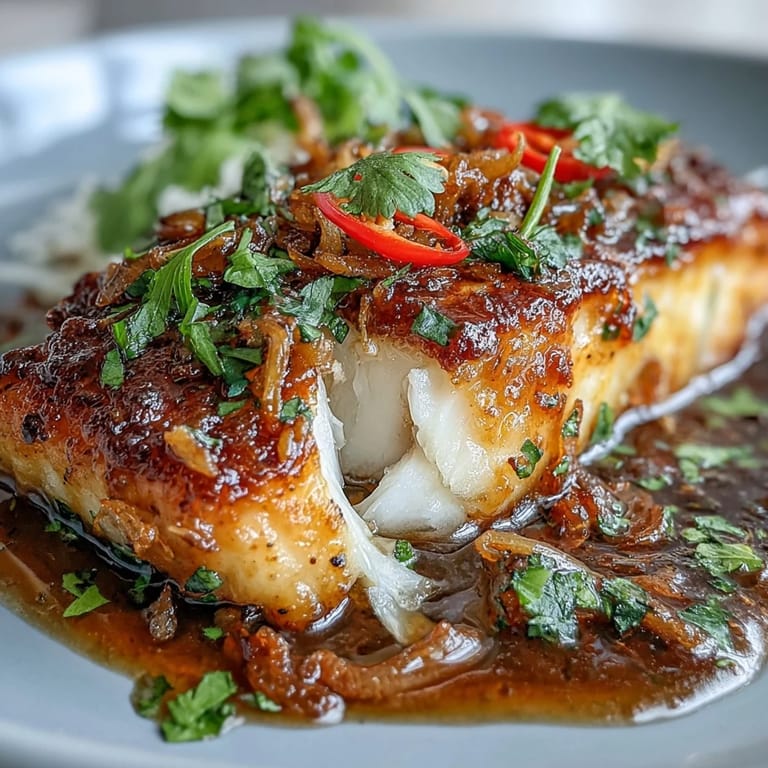
Save There's something about a dish that feels both casual and special at the same time that makes people relax into eating. This one does that—it looks like you spent more effort than you did, tastes like it came from somewhere other than your own kitchen, and somehow makes everyone feel a little more adventurous than they felt at the start of dinner.
The Truth About Fish Texture
The line between perfectly cooked and overdone fish is genuinely thin, measured in seconds rather than minutes. I used to cook it longer, thinking I was being safe, and it always came out dry. The shift came when I realized that fish continues cooking slightly after you remove it from heat, so if it looks just barely done in the pan, it'll be perfect on the plate. Now I check doneness by gently pressing the thickest part with my finger—it should feel just slightly firm but still yield slightly, not rigid.
Why This Sauce Works
Thai cooking balances four elements—spicy, salty, sour, and sweet—and this sauce does exactly that in miniature. The heat comes from chillies, salt from soy and fish sauce, sourness from lime, and sweetness from honey, and each one matters. If any element gets left out, the whole thing feels incomplete, like you're missing a note in a chord. Once I understood this architecture, I could adjust with intention rather than guessing.
Building Your Sauce Station
The few minutes between finishing the fish and serving matter more than you might think, because this dish is best when the sauce is still hot and the shallots are still crispy. Set up your garnish station before you start cooking—cilantro chopped, shallots in a small bowl, lime wedges arranged—so assembly takes maybe 20 seconds instead of two minutes.
- Have your serving platter warming in a low oven so the fish stays hot while you finish.
- Double your cilantro amount if you love its bright anise note, or cut it in half if it's not your favorite herb.
- Make extra sauce if you want to drizzle more at the table; people always want more than you think.
 Save
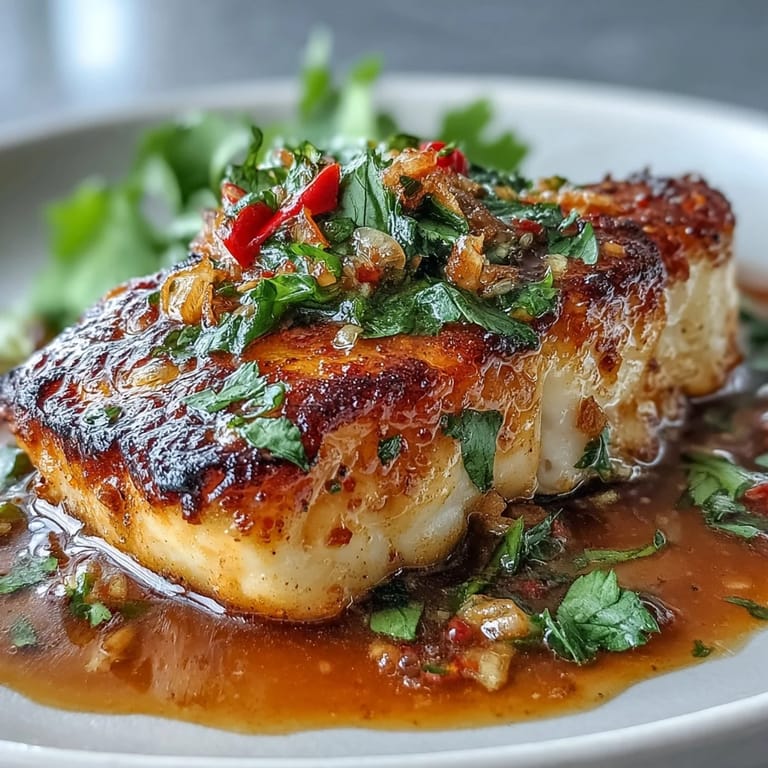
Save This is the kind of dish that tastes like you know what you're doing, which is maybe the best compliment a recipe can receive. Once you've made it once, you'll find yourself reaching for it when you want to feel a little more confident in the kitchen.
Recipe FAQs
- → Can I substitute the fish with another protein?
Yes, shrimp or chicken breast can be used as alternatives while maintaining the dish's flavor profile.
- → How can I reduce the heat from the chillies?
Remove the seeds from the chillies or use fewer slices to achieve a milder spice level.
- → What is the best way to make the fish crispy?
Lightly dust the fish fillets with rice flour or cornstarch before pan-searing to add a delicate crisp crust.
- → Are there gluten-free options for the sauce?
Yes, substitute soy sauce with gluten-free tamari to keep the sauce gluten-free.
- → How do crispy shallots enhance the dish?
Crispy fried shallots add a crunchy texture and savory depth that complement the fresh and tangy flavors.
- → What sides pair well with this dish?
Jasmine rice, steamed vegetables, or a light slaw make excellent accompaniments, balancing the tangy and spicy notes.