 Save
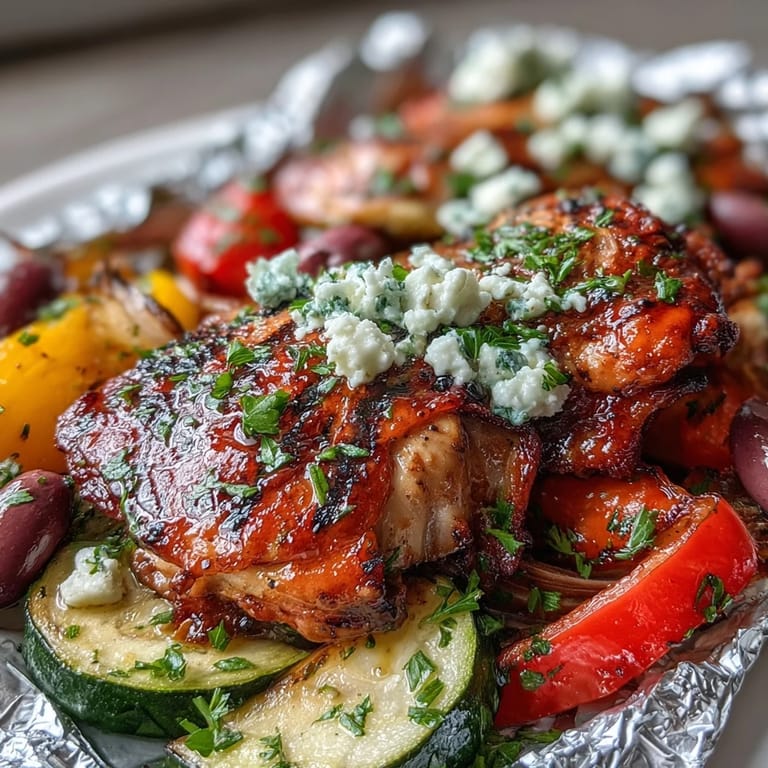
Save Last summer, my neighbor casually mentioned she'd been making everything in foil packets on her grill, and I thought she was joking until I tasted what she pulled out of those little bundles. The chicken was impossibly tender, the vegetables had this concentrated sweetness, and the lemon and oregano hit exactly right. I spent the rest of that evening copying down her technique, and now these packets are my go-to when I want something that feels special but requires almost no cleanup.
I made these for a potluck once, nervously transporting foil packets in a cooler, convinced they'd get crushed. When people opened them at the table, the aroma that escaped made everyone pause mid-conversation. One of my friends actually said she'd never seen someone bring a hot meal in foil before, and suddenly everyone wanted to know how I'd managed it.
Ingredients
- Boneless, skinless chicken breasts (4, about 150 g each): Look for breasts that are relatively even in thickness so they cook uniformly; if one side is much thicker, gently pound it down with the heel of your hand.
- Red and yellow bell peppers (1 each, sliced): The sweetness of these two colors together is the backbone of the dish, so don't skip either one.
- Medium zucchini (1, sliced into rounds): Slice it about a quarter inch thick so it softens without turning mushy.
- Red onion (1 medium, cut into wedges): Red onion stays vibrant and slightly sweet when steamed in foil, whereas regular onion can become harsh.
- Cherry tomatoes (200 g, halved): These burst slightly during cooking and add bright acidity that cuts through the richness of the olive oil.
- Pitted Kalamata olives (100 g): Buy them already pitted if you can; it saves you a small frustration when you're assembling everything.
- Extra-virgin olive oil (3 tbsp): This is where quality matters because it's the main fat flavor in the packet, so use something you actually enjoy tasting.
- Fresh lemon juice and zest (2 tbsp juice, 1 lemon's zest): Fresh lemon makes all the difference; bottled juice tastes thin and slightly plastic by comparison.
- Dried oregano (2 tsp): Oregano is the soul of Greek cooking, so don't be shy with it.
- Garlic (2 cloves, minced): Mince it fine so it distributes evenly throughout the marinade.
- Salt and black pepper (1 tsp salt, ½ tsp pepper): Taste as you go because olives add their own saltiness.
- Feta cheese (100 g, crumbled): Add this after the packet opens so the heat softens it slightly without drying it out.
- Fresh parsley (optional): A handful chopped right before serving adds color and a gentle herb note that lifts everything.
Tired of Takeout? 🥡
Get 10 meals you can make faster than delivery arrives. Seriously.
One email. No spam. Unsubscribe anytime.
Instructions
- Mix Your Flavor Base:
- Whisk together the olive oil, lemon juice, lemon zest, oregano, minced garlic, salt, and pepper in a small bowl. This is your marinade and sauce all in one, so take a moment to taste it on your finger; it should be bright and herbal with a good lemon punch.
- Marinate the Chicken:
- Place the chicken breasts in a large bowl or zip-top bag, pour half the marinade over them, and toss gently to coat. Even 10 minutes of sitting makes a difference, but if you have time to let them sit for an hour in the fridge, the flavor goes deeper.
- Prep Your Foil Packets:
- Tear off four sheets of heavy-duty foil, each about 12 inches by 16 inches. Heavy-duty foil is worth the extra cost because it won't puncture when you're handling raw vegetables.
- Layer Your Vegetables:
- Divide the sliced peppers, zucchini, onion wedges, halved tomatoes, and olives evenly among the four foil sheets, mounding them slightly in the center of each. Arrange them so there's a little room for steam to circulate.
- Add the Chicken:
- Place one marinated chicken breast on top of each vegetable pile. Drizzle the remaining marinade over everything, making sure to distribute it fairly evenly.
- Seal Your Packets:
- Fold each foil sheet in half over the chicken and vegetables, then fold the edges tightly closed, working your way around so no steam can escape. The seal should be tight enough that you feel confident picking it up without anything spilling.
- Cook Low and Slow:
- If baking, place packets on a baking sheet in a 400°F oven for 25 to 30 minutes. If grilling, place them directly on medium-high grates for the same time. The chicken is done when an instant-read thermometer reads 165°F in the thickest part.
- Open Carefully and Finish:
- Let packets rest for a minute before opening, then use tongs or a fork to peel back the foil gently; steam will rush out, so keep your face back. Top each packet with crumbled feta and a shower of fresh parsley, then serve with extra lemon wedges.
 Save
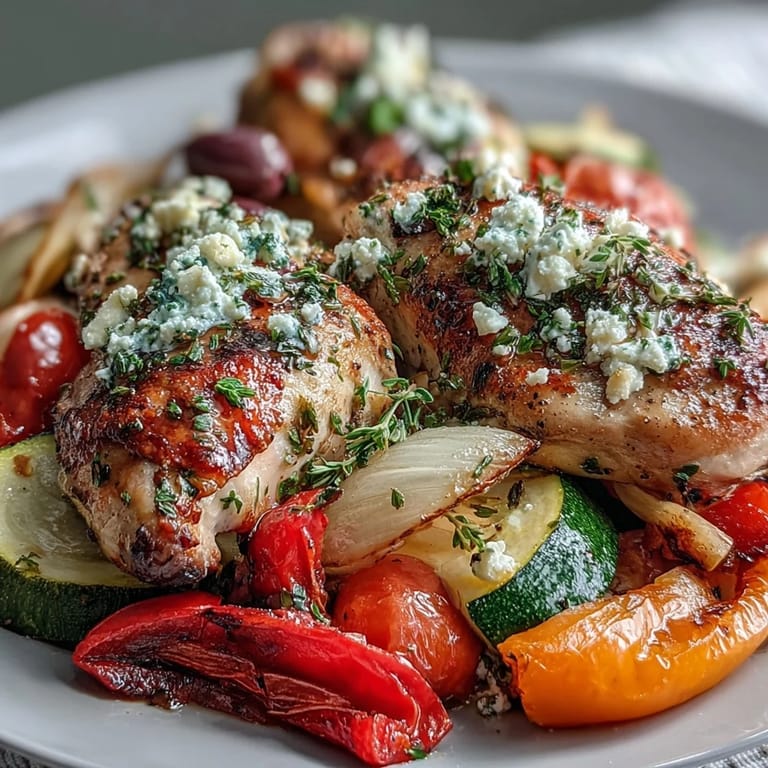
Save There's something almost ceremonial about opening a foil packet at the table and watching the steam rise, revealing perfectly cooked chicken and vegetables. It feels fancier than it is, which is exactly why I keep making it.
Why Foil Packets Changed My Cooking
Once I started cooking in foil, I realized I'd been overcomplicating weeknight dinner for years. Every component cooks in its own little environment, so the chicken stays moist, the vegetables get tender without turning to mush, and the flavors meld without any effort from you. It's the closest thing to a hands-off gourmet meal that still makes you feel like you've done something impressive.
Make It Your Own
The beauty of foil packet cooking is that you can swap vegetables without changing the technique. I've tried eggplant, mushrooms, artichoke hearts, and even green beans, and everything comes out delicious. The marinade stays the same, so you're always working within a flavor framework you know, which means less thinking and more eating.
Serving Suggestions and Storage
These packets are stunning on their own, but I usually serve them alongside something to soak up the juices. Rice, quinoa, or warm pita all work beautifully, and somehow the combination feels more like a real meal than just chicken and vegetables. If you have leftovers, gently remove the foil and store everything in a glass container in the fridge for up to three days; reheat gently in a low oven so nothing dries out.
- Meal prep tip: Assemble packets in the morning, refrigerate them, and cook directly from cold; add a few minutes to the cooking time if they're chilled.
- Flavor boost: Add a pinch of red pepper flakes to the marinade if you want subtle heat, or swap dried oregano for fresh if you have it growing nearby.
- Feta timing: Add it right after opening so it stays creamy instead of melting completely into everything.
 Save
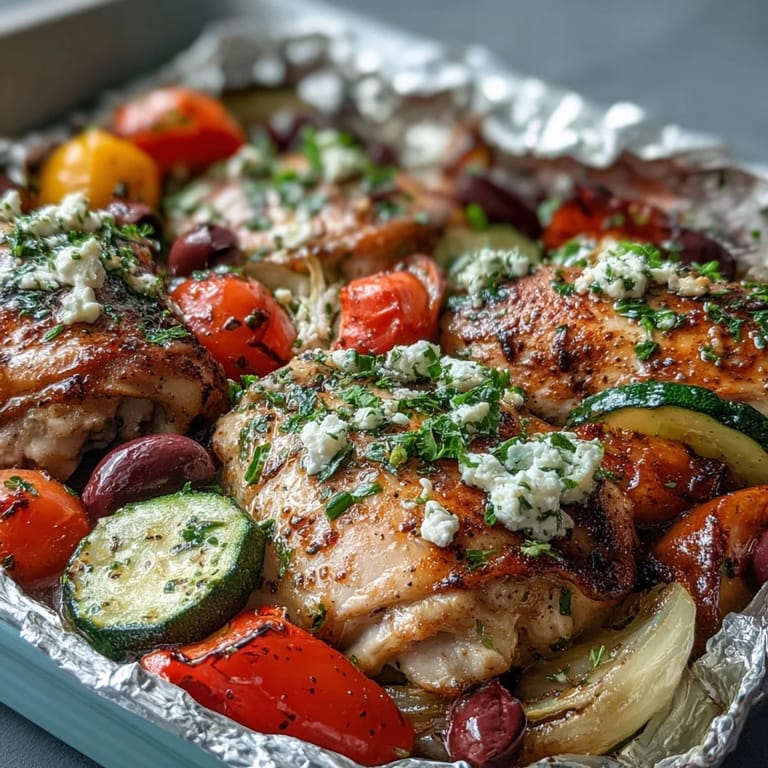
Save These packets remind me that the best meals are the ones you can enjoy without spending all evening in the kitchen or facing a sink full of dishes afterward. Make them once and you'll understand why they've become my answer to almost every weeknight question.
Recipe FAQs
- → What temperature should I cook the foil packets?
Preheat your oven to 200°C (400°F) or set your grill to medium-high heat for optimal cooking.
- → How long should the chicken marinate?
Marinate the chicken for at least 10 minutes, though up to 1 hour will deepen the flavors.
- → Can I use different vegetables?
Yes, eggplant, mushrooms, or additional peppers work well and complement the existing flavors.
- → What is the best way to serve the foil packets?
Top with crumbled feta and fresh parsley, serve with lemon wedges, and accompany with rice, quinoa, or warm pita.
- → Are there any allergen concerns?
This meal contains dairy from feta cheese and olives that may be processed near nuts; verify labels if sensitive.
- → Can I substitute chicken breasts with another cut?
Boneless, skinless chicken thighs can be used as a tender and flavorful alternative.