 Save
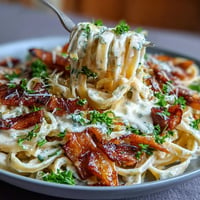
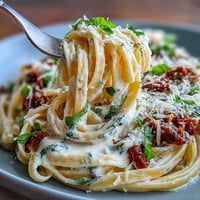
Save There's a Tuesday evening burned into my memory when my neighbor mentioned she'd been craving French onion soup but didn't have time for the traditional four-hour ordeal. I stood in my kitchen thinking about that conversation, watching onions caramelize in a pot, and suddenly wondered: what if I just threw pasta into that golden, brothy foundation? That first spoonful was pure magic—all the deep, savory comfort of the classic without the patience requirement. This dish became my answer to anyone wanting restaurant-quality richness on a weeknight.
I made this for my sister during a particularly gray November, when she needed comfort food more than conversation. Watching her close her eyes after that first bite, then immediately reach for seconds, reminded me that the best meals are the ones that know exactly what you need before you do. She's requested it at least twice a month since.
Ingredients
- 3 large yellow onions, thinly sliced: Yellow onions become almost sweet when caramelized, and their natural sugars are what makes this dish shine without extra effort.
- 2 tbsp unsalted butter and 2 tbsp olive oil: This combination is the secret—butter brings richness while olive oil prevents burning during that long caramelization.
- 1 tsp sugar: A tiny amount speeds up browning and deepens the color without tasting sweet.
- 2 cloves garlic, minced: Add it after the onions to avoid bitterness—garlic burns quickly, so patience matters here.
- 60 ml dry white wine: This cuts through the richness and pulls up all those flavorful bits stuck to the bottom of your pot.
- 1 L vegetable or beef broth: Beef broth brings more depth, but vegetable works beautifully too—choose based on what you have.
- 350 g dry fettuccine or linguine: Long, wide pasta catches the creamy broth in every bite better than short shapes.
- 1/2 tsp dried thyme and 1 bay leaf: These herbals are understated but essential—they're what separate this from plain pasta.
- 120 g Gruyère and 60 g Parmesan cheese: Gruyère melts like silk and brings nutty complexity while Parmesan adds a sharp bite that balances everything.
- Salt, pepper, and optional fresh parsley for finishing: Taste as you go and save parsley for the top so it stays bright and fresh.
Tired of Takeout? 🥡
Get 10 meals you can make faster than delivery arrives. Seriously.
One email. No spam. Unsubscribe anytime.
Instructions
- Start the Golden Foundation:
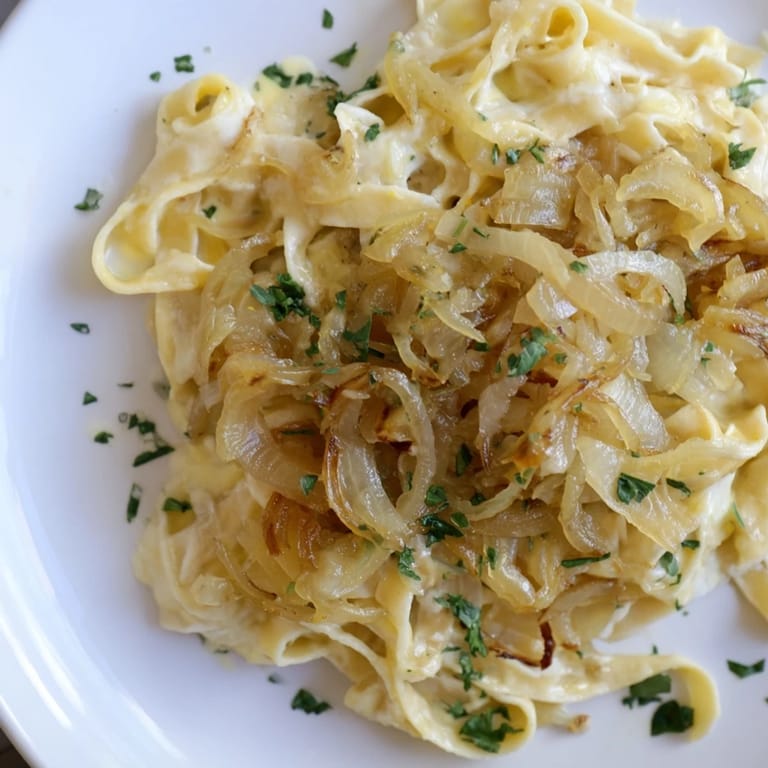
- Heat butter and olive oil in a large skillet or Dutch oven over medium heat, then add those thin onion slices with the sugar. This is the longest step but also the most forgiving—stir occasionally, maybe every five minutes, and let the heat do the work. You're aiming for deep golden brown, almost caramel-colored edges, which takes about 20 to 25 minutes.
- Wake It Up with Garlic:
- Once your onions look like melted gold, add the minced garlic and cook for just one minute until your kitchen fills with that unmistakable aroma. Don't walk away—garlic turns bitter fast.
- Deglaze with Wine:
- Pour in the white wine and use your wooden spoon to scrape up all those browned bits stuck to the bottom—that's liquid gold in flavor. Let it bubble away for about two minutes until the wine is mostly evaporated but your pot still smells like a French bistro.
- Build the Broth:
- Add the thyme, bay leaf, and broth, then bring everything to a boil. The liquid will darken as it mingles with all that caramelized goodness.
- Introduce the Pasta:
- Stir in the uncooked pasta directly into the simmering broth, reduce heat to medium-low, and cook uncovered for 10 to 12 minutes while stirring frequently. The pasta absorbs the broth gradually, so you'll see it transform from soupy to creamy as it cooks.
- Finish with Cheese:
- Fish out the bay leaf, then stir in both cheeses until everything is melted and creamy. Taste and season with salt and pepper—be generous because pasta needs proper seasoning to shine.
- Serve and Celebrate:
- Ladle into bowls while it's hot, garnish with fresh parsley and extra cheese if you're feeling indulgent. This dish doesn't wait well, so get it to the table immediately.
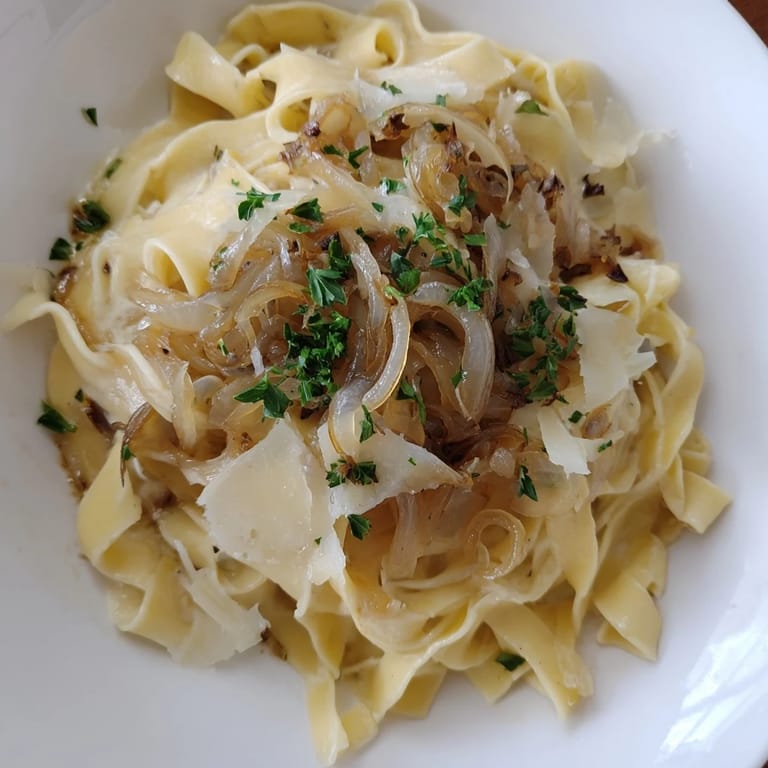 Save
Save What struck me most was how this dish taught me that sometimes the best shortcuts are actually the honest approach—skipping fussy techniques and trusting that good ingredients and patience create magic on their own. It's the kind of meal that quietly becomes part of your regular rotation.
The Magic of Caramelization
Caramelization isn't complicated; it's just heat and time doing their thing. When you cook onions low and slow, their natural sugars break down and develop hundreds of new flavor compounds that taste rich and almost sweet. The first time I really understood this—rather than just following instructions—everything changed about how I cooked. Now I appreciate that brown color not as a sign that something's about to burn, but as proof that real transformation is happening.
Customizing for Your Kitchen
The skeleton of this dish is solid, but your kitchen is yours alone. Use beef broth if you want deeper, meatier notes, or stick with vegetable if that's what matters to you. Some nights I've stirred in sautéed mushrooms right before the cheese, and other times I've experimented with Swiss cheese in place of Gruyère. The point is that this dish is forgiving enough to welcome your instincts while remaining delicious enough not to need rescuing.
Serving and Wine Pairing
This is the kind of dish that arrives at the table still steaming, demanding immediate attention. It pairs beautifully with a crisp white wine like Sauvignon Blanc, which cuts through the richness and keeps your palate fresh. A simple green salad on the side adds brightness without competing, and honestly, nothing else is needed—this is a complete, satisfying meal on its own.
- For gluten-free versions, swap in certified gluten-free pasta and check your broth labels.
- Leftovers actually improve slightly as the pasta absorbs more broth overnight, though reheating adds a splash of stock to loosen it back up.
- This scales beautifully if you're cooking for more people—just multiply everything and add a few extra minutes to the caramelization step.
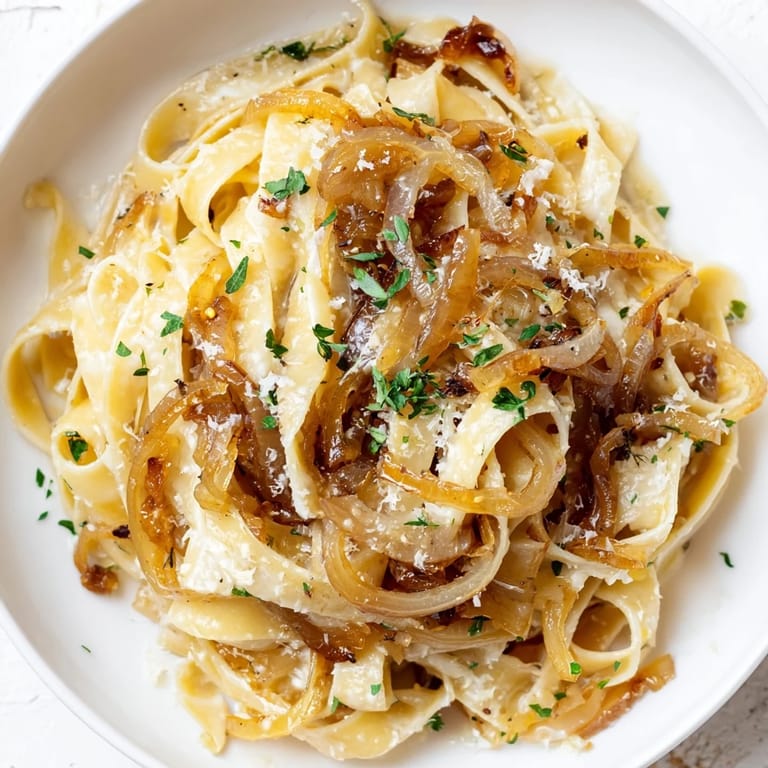 Save
Save This one-pot French onion pasta has become my answer to the question of what's for dinner on nights when I want something that tastes like I spent hours cooking but doesn't demand my entire evening. It's proof that the best meals don't always require the most effort—just good timing and ingredients you actually care about.
Recipe FAQs
- → How do I achieve perfect caramelized onions?
Cook sliced onions slowly in butter and oil over medium heat, stirring occasionally, until deep golden brown and sweetly fragrant—usually 20 to 25 minutes.
- → Can I use a different type of pasta?
Yes, linguine or any long pasta similar to fettuccine works well, absorbing flavors while cooking in the broth.
- → What broth types are best for this dish?
Vegetable broth keeps it light and vegetarian, while beef broth adds a richer, deeper flavor. Both complement the onions and cheese nicely.
- → How do I prevent pasta from sticking during cooking?
Stir frequently and maintain a gentle simmer so the pasta cooks evenly and absorbs the liquids without clumping.
- → Can I add extra vegetables to this dish?
Sautéed mushrooms or fresh herbs like thyme enhance depth of flavor and texture without overpowering the main ingredients.