 Save
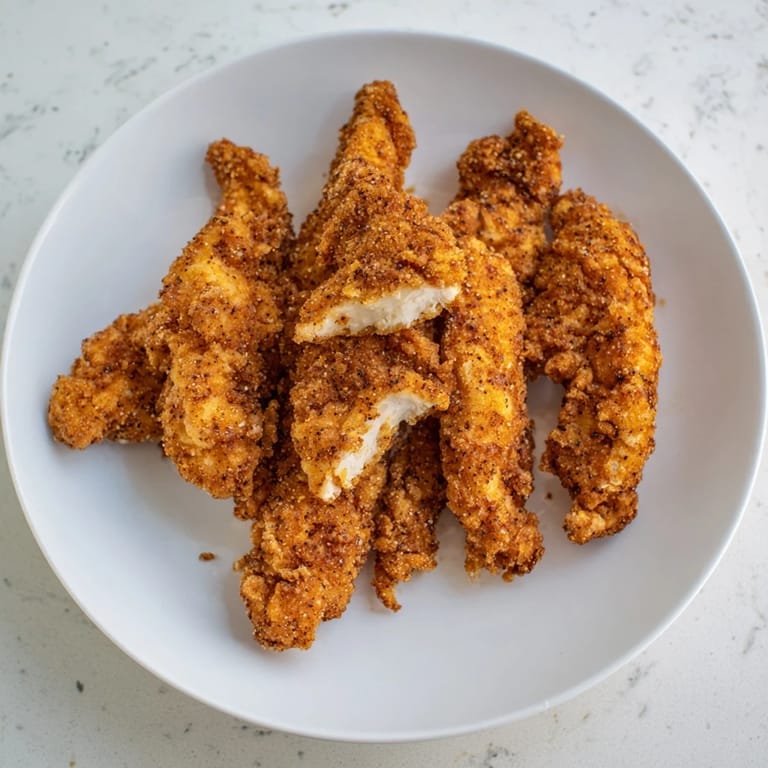
Save There's something about the smell of buttermilk frying chicken that stops me mid-afternoon and pulls me straight back to my grandmother's kitchen on lazy Sundays. She'd stand at her cast iron skillet with a pair of metal tongs like they were an extension of her hands, moving with the certainty of someone who'd made this dish a thousand times. I was maybe twelve when she finally let me do the dredging, and I remember being shocked at how the flour seemed to cling to those buttermilk-soaked tenders like it was magnetized. That's when it clicked for me—why her chicken was always so impossibly crispy outside while staying tender inside.
I made this for a potluck once and watched people come back for thirds, piling it onto napkins next to potato salad. One friend actually asked if I'd gotten it from a restaurant, and the little pride rush I felt was ridiculous but real. My kids now request these more than any other dinner, and I've learned to double the recipe because someone always sneaks a cold piece the next morning straight from the fridge.
Ingredients
- Chicken tenders or breast strips: Use the thickest pieces you can find, or pound them to even thickness so they cook through without the outside burning—this one detail changes everything.
- Buttermilk: Don't skip this or try substituting plain milk, the acidity is what makes the chicken tender and seasons it from within.
- All-purpose flour: The baking powder in your coating mix is the secret weapon that adds lift and keeps the crust light instead of dense.
- Paprika, garlic powder, onion powder: These three build a flavor foundation that tastes like home cooking rather than generic fried chicken.
- Cayenne pepper: Optional but worth it—even a quarter teaspoon adds a whisper of heat that makes people ask what your secret is.
- Vegetable oil: Neutral oil is key so the chicken flavor stays front and center, and you'll need about 2 inches worth for proper frying depth.
Tired of Takeout? 🥡
Get 10 meals you can make faster than delivery arrives. Seriously.
One email. No spam. Unsubscribe anytime.
Instructions
- Build your marinade:
- Whisk together the buttermilk with salt, pepper, garlic powder, onion powder, paprika, and cayenne in a bowl large enough to hold your chicken. The mixture should smell warm and inviting, not harsh.
- Submerge and wait:
- Add chicken tenders and turn them so every surface meets the buttermilk, then cover and refrigerate for at least 2 hours or overnight. This patience is where the magic lives—the longer they sit, the more tender they become.
- Mix your coating:
- In a shallow dish, combine flour with salt, pepper, paprika, garlic powder, onion powder, and baking powder. Whisk it together so the spices distribute evenly—lumps mean uneven seasoning.
- Dredge with confidence:
- Pull a chicken tender from the marinade, let excess buttermilk drip back into the bowl, then lay it in the flour mixture and press gently so the coating adheres like it's meant to be there. Flip and coat the other side, then set on a plate.
- Heat your oil:
- Pour vegetable oil into a deep skillet or Dutch oven to about 2 inches deep and heat it to 350°F. Use a thermometer—this temperature is non-negotiable because too hot burns the outside before the inside cooks, too cool makes it greasy.
- Fry in batches:
- Working in groups of 3 or 4 so the oil temperature doesn't plummet, carefully lay chicken tenders into the hot oil and listen for that satisfying sizzle. Fry 3 to 4 minutes per side until golden brown and the internal temperature hits 165°F.
- Rest and serve:
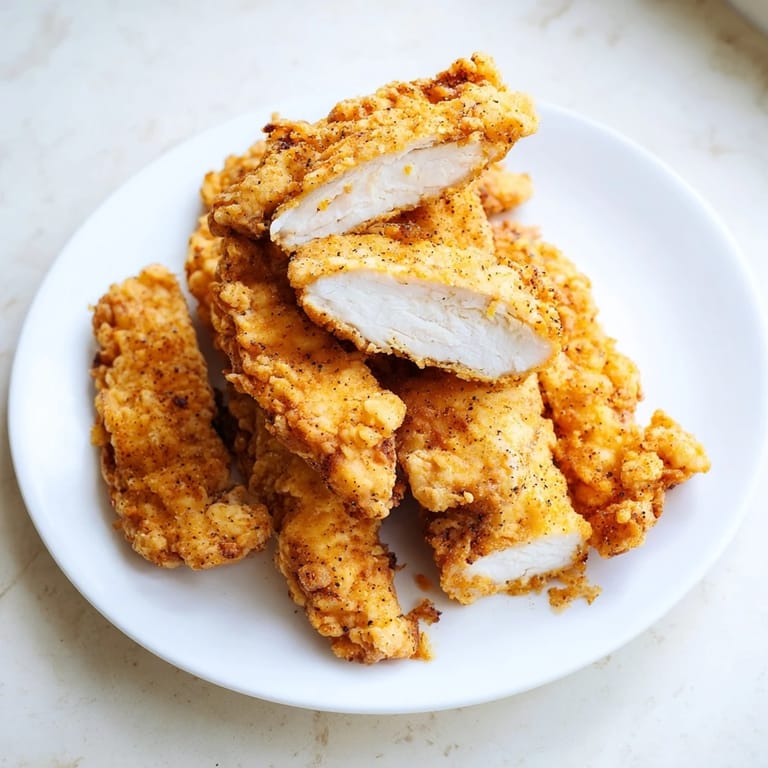
- Drain tenders on a wire rack so the underside stays crispy instead of steaming in its own moisture on paper towels. Serve immediately while they're still crackling.
 Save
Save These tenders remind me that sometimes the simplest dishes carry the most weight. My daughter once asked why restaurant fried chicken wasn't as good as mine, and I realized she'd grown up thinking this was just what fried chicken was supposed to taste like. That moment, standing in my kitchen knowing I'd given her that as a standard, felt bigger than the dish itself.
The Science of Staying Crispy
The buttermilk does two things at once: the acids break down proteins so the chicken stays tender even as it cooks, while the dairy coats each fiber and helps the flour stick without sliding off. The baking powder creates those little air pockets I mentioned, but it also stays active during frying so your crust stays light instead of becoming a heavy, dense shell. Temperature matters more than you'd think—350°F is that sweet spot where the outside browns and crisps while the inside has time to cook through without drying out.
Serving Suggestions That Elevate It
These are delicious plain, but honestly they shine when you give people options for dipping. Honey mustard adds sweetness that plays against the savory crust, ranch is a classic pairing that lets the chicken flavor shine, and if you want to get creative, a drizzle of hot sauce or a squeeze of fresh lemon changes the whole experience. I've also made a quick remoulade by mixing mayo, Dijon mustard, and minced pickles, and people lose their minds over it.
Timing and Temperature Tricks
If you're cooking for a crowd, you can marinate the chicken the night before and even do the dredging an hour ahead—just keep the coated pieces on a plate in the fridge so the flour stays dry and sticky. Some people worry about serving food that's been sitting out, but these are actually good eaten at room temperature too, so you don't have to stress about keeping them piping hot the entire time. The real secret is respecting your oil temperature because that's what separates crispy from greasy.
- Invest in a good instant-read or deep-fry thermometer because guessing at oil temperature is how you end up with disappointing results.
- If you're doubling this recipe, fry in smaller batches rather than overcrowding because the oil temperature drops dramatically with too much cold chicken in it.
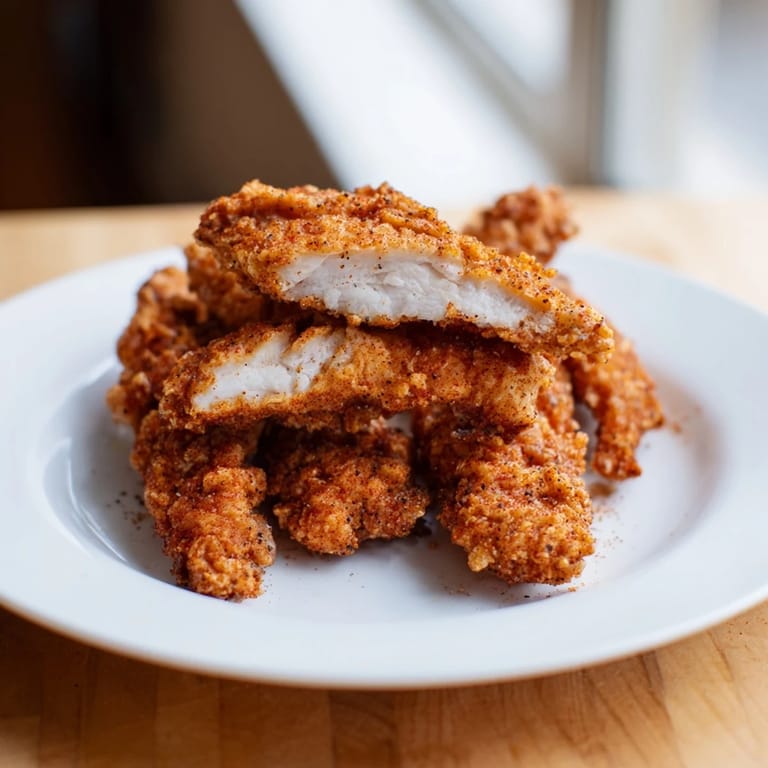
- Let your tenders cool on a wire rack so air circulates underneath and keeps the bottom from getting soggy.
 Save
Save This is the kind of recipe that becomes a staple, the thing people ask you to bring to potlucks or hope you'll make when they visit. It's humble and honest, asking only for patience and attention, and rewarding you with something that tastes like comfort feels.
Recipe FAQs
- → Why soak chicken in buttermilk before cooking?
Buttermilk tenderizes the chicken by breaking down proteins, resulting in juicier, more flavorful meat while adding a subtle tang.
- → Can I use chicken breasts instead of tenders?
Yes, boneless skinless chicken breasts cut into strips work well and absorb the marinade similarly.
- → How do I achieve extra crispy coating?
Double dipping the chicken in buttermilk and flour coating before frying enhances crunch and texture.
- → What frying temperature is ideal?
Heat oil to 350°F (175°C) to ensure the coating crisps quickly without absorbing excess oil.
- → What spices enhance the coating flavor?
Common additions include garlic powder, onion powder, paprika, salt, and black pepper for a balanced seasoning.